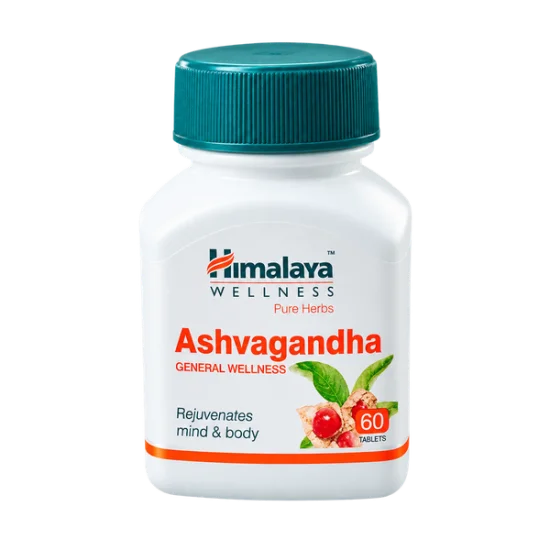
I used Ashwagandha during a stressful period at work. After several weeks, I felt less tense in the evening and slept more steadily. I also noticed mild stomach upset at first, so I stopped taking it with a late meal.
Ashwagandha
Ashwagandha is a botanical supplement containing Withania somnifera, traditionally used to support stress management, sleep quality, and general wellbeing. Its adaptogenic activity may help the body regulate responses to mental and physical stress, while research continues into effects on cortisol, energy, and recovery.
About this product
Ashwagandha belongs to the category of Herbal Supplements within Vitamins, Minerals & Supplements, Diet & Nutrition, and Health. The botanical name is Withania somnifera, a plant used in Ayurvedic herbal medicine. The product is supplied in a bottle and is intended for general wellness support.
As an adaptogen, Ashwagandha is used to help the body respond to stressors. Adaptogens are plant substances studied for their possible influence on stress-response systems rather than for a single disease-specific action. The evidence is promising for stress and sleep, though results vary with the extract, dose, treatment period, and individual response.[1]
The product contains Ashwagandha as its named botanical ingredient. The exact regimen for the chosen strength should be confirmed with a healthcare professional before starting, especially when regular medicines or long-term conditions are involved.
Uses
Ashwagandha has been studied as a botanical Sleep Aid for adults with stress-related sleep difficulties and Sleeplessness. Research has focused on sleep quality, time taken to fall asleep, nighttime waking, and subjective restfulness. The evidence suggests a possible benefit for some adults, especially when stress contributes to poor sleep.[2]
Ashwagandha is used to support energy, stamina, and Muscle Recovery. Small clinical studies have examined physical performance, resistance training, strength measures, perceived fatigue, and recovery. These findings do not establish Ashwagandha as a substitute for adequate food, protein, hydration, sleep, or a structured training programme.
Possible areas of interest include:
- Energy: support for perceived vitality during periods of mental or physical strain.
- Stamina: possible improvement in exercise tolerance when combined with regular training.
- Muscle Recovery: research interest in post-exercise recovery and strength adaptation.
- Stress resilience: better tolerance of demanding routines for some users.
- Sleep-related recovery: improved rest may contribute to better daytime function.
Pharmacological action
Ashwagandha may influence the hypothalamic-pituitary-adrenal axis, commonly called the HPA axis. This system links the brain, pituitary gland, adrenal glands, and cortisol production. Cortisol is necessary for alertness and energy mobilisation, yet persistent stress can disturb normal daily cortisol patterns.
The HPA axis works through a sequence:
- The hypothalamus releases corticotropin-releasing hormone.
- The pituitary gland responds with adrenocorticotropic hormone.
- The adrenal glands produce cortisol.
- Feedback signals help regulate further cortisol release.
Ashwagandha may support more balanced stress signalling within this system. That does not mean it removes anxiety immediately or treats every anxiety disorder. Persistent panic, severe anxiety, depression, or major sleep disruption requires condition-specific assessment.
The word “adaptogen” describes a proposed functional category, not a formal diagnosis or a guarantee of effect. A person may notice calmer evenings, improved sleep continuity, or better tolerance of daily pressure, while another person may notice little change.
When not to use it
The following situations require avoidance or an individual clinical decision:
- Pregnancy, because safety has not been established and medicinal use may carry reproductive risks.
- Breastfeeding, because reliable safety information is limited.
- Known liver disease or a previous unexplained liver reaction to herbal products.
- Thyroid disorders without review of current treatment.
- Autoimmune disease when immune-modifying treatment is being used.
- Allergy to Ashwagandha or related botanical materials.
- Planned surgery, because sedative, blood pressure, or glucose effects may complicate perioperative care.
- Use of medicines causing drowsiness, including some sleep medicines, sedatives, or strong antihistamines.
- Use of medicines for diabetes or high blood pressure, because combined effects may require monitoring.
Specific interaction concerns include thyroid medicines, sedatives, immunosuppressants, medicines that lower blood glucose, and medicines that lower blood pressure. Alcohol may worsen drowsiness and impair judgement.
When this is not for you
Ashwagandha is not for you if you are pregnant or breastfeeding, have liver or thyroid disease without medical review, have an autoimmune condition, or take medicines that may interact with it.
Adverse reactions
Ashwagandha is often tolerated by adults when used within an appropriate regimen, yet unwanted effects can occur. Reported problems include stomach discomfort, nausea, loose stools, headache, drowsiness, and changes in sleep. Allergic reactions are possible with any botanical ingredient.
Rare liver injury has been reported in association with Ashwagandha-containing products. Warning symptoms include yellowing of the skin or eyes, dark urine, unusually pale stools, severe itching, persistent nausea, or pain under the right ribs. Stop the supplement and seek urgent medical assessment if these symptoms develop.[3]
Thyroid effects also require attention. Ashwagandha may influence thyroid hormone measurements or thyroid activity in some people. Anyone using thyroid replacement, antithyroid treatment, or medicines that affect thyroid function needs a specific review before starting.
Some users feel calmer. Others feel sleepy or develop gastrointestinal discomfort. The same product can produce different responses depending on health status, medicine use, and extract characteristics.
What it contains
The product contains Ashwagandha, the botanical ingredient Withania somnifera, traditionally used in Ayurvedic herbal medicine. It is supplied as a bottle for general wellness support.
Dosage and administration
- Route: Take orally as a botanical supplement from the bottle.
- Dose: The amount in mg or ml is not specified; confirm the dose for the chosen strength with a healthcare professional before starting.
- Frequency: The number of servings per day is not specified; follow the regimen confirmed by a healthcare professional.
- Timing: The timing in relation to meals and the preferred time of day are not specified; confirm these instructions with a healthcare professional.
- Duration: The appropriate duration of use is not specified; confirm it with a healthcare professional.
- Do not increase the amount or add an extra serving unless a healthcare professional advises it.
Comparison
Ashwagandha can be compared by preparation type rather than by brand. The main distinction is whether the material is an unstandardised plant powder or a defined extract with more consistent constituent levels.
| Preparation | Practical distinction |
|---|---|
| Whole-root powder | Contains powdered plant material and may vary naturally between batches. |
| Standardised extract | Designed to provide a more consistent level of selected constituents. |
| Gummy or tablet vehicle | Adds a convenient dosage form but may contain sweeteners, binders, or other excipients. |
For stress-related use, the preparation studied in research matters. An extract evaluated in a clinical trial may not produce the same outcome as a product with a different extraction process. This is one reason why a confirmed regimen and realistic monitoring period are more useful than rapidly changing products.
Common mistakes
Several avoidable mistakes can make the experience less useful:
- Changing the serving repeatedly before allowing a consistent trial period.
- Combining Ashwagandha with several sedating supplements or alcohol.
- Treating it as a replacement for thyroid, blood pressure, diabetes, or mental-health treatment.
- Ignoring persistent diarrhoea, severe nausea, or excessive sleepiness.
- Taking it without mentioning the supplement during a medication review.
- Continuing it through jaundice, dark urine, or unusual right-sided abdominal pain.
- Assuming that a powder, gummy, capsule, and tablet provide equivalent extract strength.
- Using improved energy to compensate for chronic sleep deprivation.
- Doubling the next serving after a missed one.
One practical issue is often overlooked: laboratory results can change for reasons unrelated to treatment success. Thyroid tests, liver enzymes, glucose readings, and blood pressure should be interpreted with the supplement history included.
What doctors say
In clinical practice, doctors usually frame Ashwagandha as a supportive supplement rather than a first-line treatment for a diagnosed anxiety disorder, insomnia disorder, thyroid condition, or liver disease. The most realistic expectation is a gradual change in stress perception, sleep quality, or daytime resilience when the preparation suits the individual.
A clinician will usually ask about current medicines, pregnancy status, thyroid history, autoimmune disease, liver health, alcohol intake, and upcoming surgery. That history can change whether Ashwagandha is appropriate.
Doctors also distinguish a normal adjustment from a warning sign. Mild stomach upset may settle, while jaundice, severe sedation, worsening palpitations, or a major change in mood needs prompt attention. The WHO describes traditional herbal use as requiring attention to preparation quality, dose, safety, and interactions rather than assuming that plant origin guarantees suitability.
Questions and answers
Can people under 18 use Ashwagandha?
Ashwagandha should not be given to anyone under 18 unless a qualified healthcare professional has recommended it for that individual. Safety evidence in children and teenagers is more limited than in adults, and herbal products can affect sedation, thyroid function, blood glucose, or other systems. NCCIH information available in 2024 emphasises that safety depends on age, preparation, dose, and medical context.
Is Ashwagandha suitable for older adults?
Older adults may use Ashwagandha only after a review of medicines and health conditions. The risk of drowsiness, falls, low blood pressure, blood glucose changes, and medicine interactions can be greater when several treatments are taken together. Guidance from the WHO in 2023 supports a cautious, individual approach to herbal products in people with complex medical needs.
How long can a course last, and is long-term use acceptable?
Clinical studies have commonly examined limited periods rather than lifelong daily use. Long-term safety is less certain, especially for people with liver, thyroid, autoimmune, or cardiovascular conditions. The EMA’s herbal-medicine framework, reviewed in 2024, supports matching duration to the preparation, intended use, and individual safety review.
How long does one serving keep working?
Ashwagandha does not have a clearly defined single-serving duration comparable with a short-acting prescription medicine. Any perceived calming or sleep-related effect may vary with extract type, timing, stress level, and personal sensitivity. The MHRA information framework in 2025 supports recording persistent or troublesome effects rather than repeatedly increasing the serving.
How soon might an effect become noticeable?
Some adults report changes in sleep or stress during the first few weeks, while others notice little benefit until a longer period of consistent use. Research findings do not support promising an exact onset for every person. NCCIH material from 2024 describes the evidence as developing, with outcomes differing between studies and preparations.
What should happen after a missed serving?
Do not automatically double the next serving after a missed one. Resume the confirmed routine unless the healthcare professional who set the regimen has provided different instructions. The WHO’s 2023 approach to herbal safety supports avoiding unnecessary extra exposure when the missed-serving instructions are unclear.
What should happen if the expected result does not come?
If stress, sleep, energy, or recovery does not improve after a reasonable trial, reassess the goal and the regimen with a healthcare professional. Persistent insomnia, severe anxiety, low mood, palpitations, jaundice, or major daytime sleepiness needs assessment rather than a higher serving. EMA safety principles published in 2024 support reviewing benefit and harm together when an expected result does not appear.
Do you offer anonymous delivery?
Your order will be securely packed and shipped within 24 hours. This is exactly what your package will look like (images of an actual item sent). It has the size and look of a regular private letter (24x11x0.7 cm) and its contents cannot be seen.
Formulation types and standardised extract considerations
Ashwagandha products may appear in several delivery forms, including Capsule, Powder, Gummy, and Tablet formats. The product described here is supplied in a bottle. Form alone does not establish strength, absorption, or clinical value.
A standardised extract is designed to provide a more consistent level of selected plant constituents than an unstandardised powder. Whole-root powders may contain a broader mixture of plant material, while extracts can differ in concentration and extraction solvent. Gummies and tablets may also contain sweeteners, binders, or other excipients.
- Ashwagandha is the named botanical ingredient.
- The product is intended for general wellness support.
- The bottle format supports routine oral use.
- The regimen for the chosen strength should be confirmed with a healthcare professional before starting.
- A larger serving is not automatically a better serving.
The outline of commercial supplement formats should not be used to infer that every format has the same effect. Clinical studies generally evaluate a defined preparation, so results from one extract should not be transferred automatically to every Ashwagandha product.
Ashwagandha: What Customers Say
I hoped for a quick change in anxiety and did not notice much during the first week. After continuing with the confirmed regimen, my sleep felt less broken, although the result was modest rather than dramatic.
Ashwagandha helped me feel more settled before bed. I became sleepy earlier than expected on some evenings, so I avoided driving after taking it and discussed the timing with my healthcare professional.
I stopped after developing nausea and unusual tiredness. The symptoms improved, but the experience reminded me that a herbal supplement can still cause unwanted effects.
I used it alongside better sleep habits and reduced late caffeine. The combination seemed helpful for daytime resilience, though I could not tell how much came from the supplement itself.
Sources
- National Center for Complementary and Integrative Health (2024). Ashwagandha: Usefulness and Safety.
- National Center for Biotechnology Information (2024). Ashwagandha — LiverTox: Clinical and Research Information on Drug-Induced Liver Injury.
- Medicines and Healthcare products Regulatory Agency (2025). Yellow Card Scheme: Reporting suspected adverse drug reactions.