Skip to content
Save up to 80%
Aciclovir
Active ingredient: Aciclovir

Aciclovir

Quality products
24/7 Support
Fast delivery
Delivery from 4 days
Select pack Package Per tablet Price

Free delivery on orders from £ 200.00, free express delivery from £ 300.00

Secure Payments
Track your order
Best price guarantee

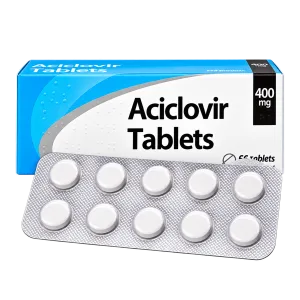
Aciclovir tablets are taken by mouth at regular intervals, with or without food, for herpes virus infections. They are used in adults for cold sores, genital herpes, shingles and other herpes simplex or varicella-zoster infections.

About this product

Aciclovir is a synthetic nucleoside analogue antiviral. The tablets contain aciclovir, also written as acyclovir. The medicine is used against herpes simplex virus type 1 and type 2, as well as varicella-zoster virus.

Uses

Aciclovir tablets are used for selected infections caused by herpes simplex and varicella-zoster viruses. The appropriate regimen depends on the infection, immune status, kidney function and whether treatment is for an outbreak or prevention.

Infection Typical clinical pattern Role of aciclovir
Cold sores Tingling, burning, blisters or crusts around the lips Early treatment may shorten the episode
Genital herpes Painful genital or anal blisters and ulcers Treats initial or recurrent episodes; longer courses may suppress recurrences
Shingles One-sided painful blistering rash caused by varicella-zoster virus Early antiviral therapy can limit viral replication and complications

Herpes simplex and cold sores

Cold sores, also called herpes labialis, commonly begin with tingling, itching or burning before blisters appear. Starting oral treatment during this early prodromal phase may provide more benefit than waiting until lesions have fully crusted.

Aciclovir can also be prescribed for extensive, severe or recurrent cold sores. Simple lip irritation, impetigo, aphthous ulcers and allergic reactions do not respond to aciclovir, so the clinical appearance matters.

Genital herpes outbreaks

Genital herpes may involve painful blisters, ulcers, burning during urination and tender groin lymph nodes. Aciclovir can be used for a first episode, recurrent episodes or suppressive treatment when outbreaks occur frequently.

Suppressive treatment reduces the number of clinical recurrences for many patients. It may also reduce viral shedding, yet it does not remove transmission risk. Barrier protection, avoiding sexual contact during lesions and discussing transmission with partners remain clinically relevant.

Shingles and varicella-zoster infection

Shingles usually produces pain, tingling or sensitivity followed by a band-like rash on one side of the body. Treatment has the greatest value when started promptly, often within 72 hours of rash onset. Eye involvement, facial weakness, severe headache, confusion or widespread blistering require urgent medical assessment.

Pharmacological action

After entering an infected cell, aciclovir is converted into its active triphosphate form. Viral enzymes activate it more efficiently than healthy human cells do. The active form then blocks viral DNA polymerase and interrupts the construction of new viral DNA [1].

This process does not remove herpes viruses from the body. Instead, it restricts their ability to multiply during an outbreak. That distinction explains why treatment can shorten symptoms without guaranteeing that future episodes will never occur. The medicine does not clear latent virus from nerve cells. Recurrences can occur after treatment ends.

Selectivity for infected cells

Aciclovir has a useful degree of viral selectivity because the first activation step depends mainly on a viral thymidine kinase enzyme. Healthy, uninfected cells activate much less of the medicine. The result is stronger activity where viral replication is taking place and less interference with ordinary cell metabolism.

The medicine works best while the virus is actively multiplying. It has limited value for established nerve latency, where herpes viruses remain inactive between episodes.

When not to use it

Extra caution or dose adjustment is required with:

  • Chronic kidney disease or reduced kidney function.
  • Dehydration from vomiting, diarrhoea or fever.
  • Advanced age with possible unrecognised renal impairment.
  • Pregnancy or breastfeeding.
  • Medicines that can affect kidney function, including some nephrotoxic treatments.
  • Significant immune suppression, where infection may be severe or atypical.

Probenecid and cimetidine can increase aciclovir exposure. Mycophenolate mofetil can also interact through effects on renal elimination. The EMA product information describes these pharmacokinetic interactions and the need to review concurrent treatment [4].

When this is not for you

Aciclovir is not suitable for you if you have previously experienced a serious allergic reaction to aciclovir, valaciclovir or an excipient in the tablet. A previous mild stomach upset is different from an allergic reaction, but facial swelling, wheezing or blistering requires urgent care.

Adverse reactions

Most people tolerate short courses of aciclovir without serious problems. Reported effects include headache, nausea, vomiting, diarrhoea, abdominal discomfort, dizziness, fatigue and skin rash. The FDA prescribing information describes these reactions and provides specific warnings for kidney impairment and neurological effects [3].

Seek urgent medical attention for:

  • Facial swelling, breathing difficulty or widespread blistering rash.
  • Confusion, hallucinations, severe agitation or marked drowsiness.
  • Seizures or loss of consciousness.
  • Very little urine, swelling or sudden worsening fatigue.
  • Severe skin peeling or sores affecting the mouth or eyes.

A small number of people develop neurological reactions, with higher risk in older adults and people with impaired renal clearance. New confusion during treatment should not be dismissed as ordinary tiredness.

What it contains

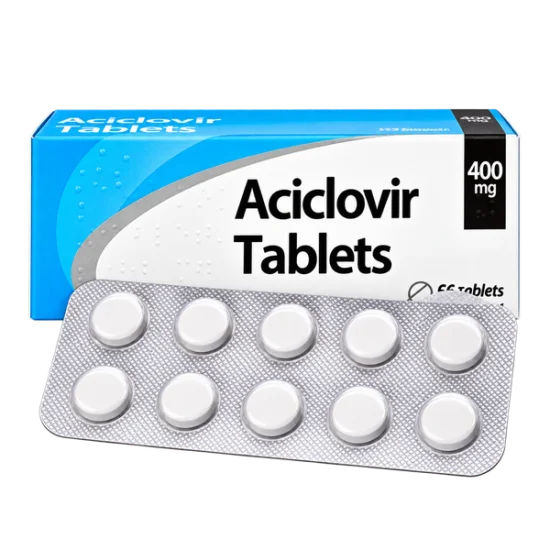
This product is supplied as oral tablets containing aciclovir. Tablets are swallowed with water. They should not be crushed unless a prescriber or pharmacist has confirmed that doing so is suitable for the specific tablet.

Aciclovir also exists in other pharmaceutical forms, including topical preparations and oral liquid formulations, but those forms are used differently. A topical product should not be substituted for oral tablets when systemic treatment has been prescribed.

Dosage and administration

  • Route: Take Aciclovir tablets by mouth with or without food.
  • Dose: The dose in milligrams and number of tablets depend on the infection, immune status and kidney function; confirm the regimen for the chosen strength with a healthcare professional before starting.
  • Frequency: Take the tablets at regular intervals as prescribed. The exact number of times per day is not established by the available information.
  • Timing: Take doses at evenly spaced times during the day and do not double the next dose after a missed tablet.
  • Duration: Treatment length depends on whether the tablets are used for a cold sore, genital herpes, shingles, another herpes infection or prevention; follow the prescribed course.

Comparison

Valaciclovir is a prodrug. The body converts it into aciclovir after absorption. Its pharmacokinetic advantage is higher oral bioavailability, which can allow less frequent dosing for some indications.

Feature Aciclovir Valaciclovir
Active antiviral relationship Directly provides aciclovir Converted into aciclovir
Oral absorption Lower and more variable Higher after conversion
Practical dosing May require more frequent doses Often allows fewer daily doses

Both medicines act against herpes simplex and varicella-zoster viruses. Valaciclovir may suit people who find frequent dosing difficult, while aciclovir remains a well-established option with extensive clinical experience.

Renal function affects both medicines. A person with reduced kidney function may need a lower dose or a longer interval, and adequate fluid intake becomes more important. The British National Formulary and MHRA product information describe renal dosing as a central part of safe antiviral prescribing [2].

Common mistakes

Several practical errors reduce the value of treatment:

  • Waiting until a cold sore is fully developed before starting prescribed therapy.
  • Taking tablets only when pain becomes severe instead of following the confirmed schedule.
  • Doubling doses after forgetting one.
  • Stopping after one or two doses because the lesion looks unchanged.
  • Ignoring reduced urine output, confusion or severe rash.
  • Using leftover tablets for a new rash without confirming that it is herpes.
  • Sharing tablets with a partner who has similar symptoms.
  • Assuming treatment prevents genital herpes transmission.
  • Taking repeated courses without reviewing frequent recurrences with a clinician.

One easily missed point is renal function. A dose that was suitable during a previous episode may need review after illness, dehydration or a change in kidney health.

What doctors say

In clinical practice, prescribers usually focus on three points: identifying the virus, starting treatment early and matching the regimen to kidney function. Aciclovir is not useful for every blister or ulcer, because several skin conditions resemble herpes.

A clinician will also distinguish episodic treatment from suppressive therapy. Episodic treatment targets an individual flare. Suppression involves planned daily treatment for people with frequent or severe recurrences.

The WHO describes herpes simplex infection as a chronic viral infection that can recur after periods of latency [5]. That is why a patient may improve completely after treatment yet experience another episode months later.

Questions and answers

Can Aciclovir affect driving, concentration or work with machinery?

Dizziness, drowsiness, confusion and headache are recognised adverse effects of aciclovir, although they are not experienced by everyone. The MHRA safety information supports avoiding driving or machinery if these symptoms occur. During 2025, the same principle remained relevant to any task requiring rapid reactions: judge your response after the first doses and stop driving if concentration is impaired.

Can people under 18 use Aciclovir?

Children and teenagers may receive aciclovir for selected herpes infections, but the regimen depends on age, body weight, kidney function and the diagnosis. Paediatric dosing should be calculated by a prescriber rather than copied from an adult schedule. NHS clinical practice follows weight- and indication-based prescribing principles, and the MHRA product information should guide treatment decisions in 2026.

How does Aciclovir differ from valaciclovir?

Aciclovir is the active antiviral administered directly, while valaciclovir is converted into aciclovir in the body. Valaciclovir generally achieves higher systemic exposure after oral administration and may require fewer daily doses for some conditions. EMA pharmacology information reviewed in 2026 describes this prodrug relationship, while the choice still depends on infection type, kidney function, clinical history and dosing practicality.

Which symptoms mean that Aciclovir should be stopped and urgent medical help sought?

Emergency assessment is needed for breathing difficulty, facial swelling, widespread blistering, skin peeling, seizures, severe confusion or a major reduction in urine. These symptoms may indicate allergy, a serious skin reaction, neurological toxicity or kidney injury. The FDA acyclovir prescribing information, reviewed in 2026, describes serious neurological and renal reactions, with greater concern in older adults and people with renal impairment.

Can Aciclovir be used during pregnancy and breastfeeding?

Aciclovir may be prescribed during pregnancy when the expected clinical benefit justifies treatment, including situations where untreated herpes infection presents a significant risk. Small amounts may pass into breast milk, so the infant’s health and the maternal indication should be considered. UKTIS guidance and MHRA product information reviewed in 2026 support an individual assessment rather than automatic avoidance, with obstetric input for genital herpes near delivery.

What should older adults know about Aciclovir?

Older adults have a higher likelihood of reduced kidney function, dehydration and medicines that affect renal clearance. These factors can increase aciclovir exposure and the risk of confusion, tremor or hallucinations. NICE guidance on medicines in older people supports checking renal function and reviewing concurrent medicines when treatment is prescribed, including during 2026 clinical care.

Can Aciclovir tablets be taken with food or on an empty stomach?

Aciclovir tablets can generally be taken with food or on an empty stomach. Food does not prevent absorption, while taking a tablet with food may help someone who develops nausea. The NHS medicines guidance and the product’s pharmacokinetic information, reviewed in 2026, support consistent timing, adequate fluids and avoidance of dose doubling after a missed tablet.

Do you offer anonymous delivery?

Your order will be securely packed and shipped within 24 hours. This is exactly what your package will look like (images of an actual item sent). It has the size and look of a regular private letter (24x11x0.7 cm) and its contents cannot be seen.

Comparison

Comparison table: Antivirals

Clinical outbreak management and patient care

Early action improves the chance of useful antiviral treatment. Patients with recurrent herpes often recognise the first warning sign before visible lesions develop.

A practical outbreak plan includes:

  • Record the first tingling, burning or pain and seek treatment promptly.
  • Keep the affected skin clean and dry.
  • Wash hands after touching a lesion or applying any topical product.
  • Avoid picking blisters or removing crusts.
  • Avoid kissing or sexual contact while active lesions are present.
  • Use separate towels during an active outbreak.
  • Drink regularly, especially if fever or painful mouth lesions reduce normal intake.
  • Arrange urgent assessment for eye symptoms, neurological symptoms or rapidly spreading lesions.

Cold sores can be triggered by illness, sun exposure, stress, sleep disruption or local skin trauma. Genital herpes recurrences may follow illness, hormonal changes or friction. A simple diary can reveal patterns, although not every episode has an identifiable trigger.

Aciclovir: What Customers Say

3.5
Based on 4 reviews
Harry, 47 London A prescribed short course
Verified
Rating: 3.5 out of 5

I started when the tingling began. The first day was uncomfortable, but the blisters did not spread as much as they had during earlier episodes. I noticed mild nausea when I took a tablet without food.

28 Oct 2026
Daniel S., 63 Ipswich A prescribed course
Verified
Rating: 3 out of 5

The tablets were started within the first couple of days of the rash. The pain still needed separate treatment, so I had expected too much from the antiviral. The rash settled, but I became unusually tired and had my kidney function reviewed.

23 Oct 2026
Tom, 43 Birmingham A short course
Verified
Rating: 4 out of 5

The outbreak improved over several days, and I found the treatment straightforward. I missed one dose during a night shift and did not take two together; I continued at the next scheduled time.

1 Oct 2026
James, 52 Glasgow A short course
Verified
Rating: 3.5 out of 5

The tablets helped when I began them at the first warning sensation. They were less useful when I waited until the sore was already crusted. I later discussed recurrence prevention rather than repeatedly starting treatment late.

14 Oct 2026

Sources

  1. FDA (2009). ZOVIRAX (acyclovir) Capsules, Tablets, and Suspension — Prescribing Information.
  2. British National Formulary (2025). Aciclovir: indications, dose and cautions.
  3. FDA (2009). Acyclovir — Adverse Reactions, Warnings and Precautions.
  4. EMA (2020). Summary of Product Characteristics (SmPC) — aciclovir.
  5. World Health Organization (2023). Herpes simplex virus.
Get our free app Shop faster and track your orders Install