I used Allegra during a difficult hay fever week. Sneezing and watery eyes improved within the day, and I did not feel sleepy, although my mouth felt slightly dry at first.
Allegra tablets act on histamine pathways involved in allergic symptoms, helping relieve sneezing, nasal irritation, itching, and watery eyes. They are intended for adults and other suitable age groups with allergy-related symptoms, with dosing selected according to age, other medicines, and health conditions.
About this product
Allegra is an oral antihistamine tablet used for allergy symptoms and related itching. Histamine is a chemical released during an allergic reaction. It contributes to sneezing, a runny or blocked nose, itchy eyes, skin itching, and raised hives.
Uses
Allegra may be used for seasonal allergic rhinitis, commonly called hay fever, and for urticaria, where itchy raised patches appear on the skin.
The main symptoms it may relieve include:
- Sneezing and nasal irritation
- Runny nose
- Itchy, watery, or red eyes
- Itching of the skin
- Raised hives associated with urticaria
- Allergy-related discomfort that interferes with sleep or daytime activities
Its action is directed mainly at peripheral histamine receptors. This limits the amount reaching the brain and helps explain why many users remain alert after taking it. Individual responses still vary.
Pharmacological action
Histamine binds to H1 receptors during an allergic response. Allegra limits that binding, reducing the signals that cause itching, sneezing, watery eyes, and nasal discharge.
The medicine does not remove pollen, dust, animal dander, or other triggers from the environment. It controls the body’s response to them. This distinction matters because symptoms can return when exposure continues.
Second-generation antihistamines are designed to relieve allergy symptoms with less central nervous system penetration than older antihistamines. Allegra is therefore commonly selected when daytime alertness matters, although drowsiness remains possible in a small number of people. The MHRA describes antihistamines as medicines that require attention to individual response, interactions, and special patient groups [1]. Related guidance is also available from the FDA, NICE, and NHS.
When not to use it
- Previous allergic reaction to Allegra or any of its ingredients
- Significant kidney impairment without an individually selected dose
- Use of another antihistamine at the same time unless specifically directed
- Previous severe reaction to an antihistamine
- Pregnancy or breastfeeding when treatment has not been reviewed
- A child who has not been assessed for the correct age-appropriate formulation
Aluminium or magnesium hydroxide antacids can reduce absorption. Leave approximately two hours between the antacid and Allegra unless a prescriber has given different instructions.
When this is not for you
Allegra is not for you if you have had a previous reaction to it or need a dose review because of kidney impairment. It should be avoided or reviewed carefully if you use another antihistamine, have had a severe reaction to an antihistamine, are pregnant or breastfeeding without treatment review, or are giving it to a child who has not been assessed for the correct formulation.
Tell the prescriber about kidney disease, regular antacid use, pregnancy, breastfeeding, and every medicine taken for sleep, anxiety, pain, or allergy symptoms. This is a specific interaction check, not a routine warning.
Adverse reactions
Most people tolerate Allegra without serious problems. Reported effects can include:
- Headache
- Nausea
- Dizziness
- Tiredness
- Mild stomach discomfort
- Dry mouth
- Occasional drowsiness
Clinical trials of antihistamines commonly find headache, nausea, and dizziness at rates close to placebo, although an individual person may still experience them. The European Medicines Agency evaluates adverse reactions through clinical and post-marketing safety data [2].
Stop taking the medicine and seek urgent medical help if symptoms suggest a severe allergic reaction, such as swelling of the lips or tongue, difficulty breathing, faintness, or widespread blistering rash. These reactions are uncommon but require prompt treatment.
Some people notice tiredness only after the first few doses. Others experience no change in alertness. Avoid driving until you know how Allegra affects you.
Headache or mild nausea may settle as the body adjusts. Persistent symptoms, worsening dizziness, or marked sleepiness require a review of the treatment rather than repeated self-treatment.

What it contains
Allegra is an oral antihistamine tablet intended to relieve allergy-related symptoms and itching. The available information does not specify the active substance, tablet strength, or other inactive ingredients. Dosing is selected according to age, other medicines, and health conditions.
Dosage and administration
The dose is decided individually, taking age, other medicines, and health conditions into account. Allegra tablets are taken by mouth with water. The appropriate schedule depends on the specific product strength and the person’s clinical circumstances.
Practical administration points include:
- Swallow the tablet with water.
- Take doses at the prescribed interval.
- Avoid taking it with grapefruit, orange, or apple juice because fruit juice can reduce absorption of some antihistamine formulations.
- Separate aluminium- or magnesium-containing antacids from Allegra by about two hours.
- Do not take an extra tablet to compensate for a missed dose.
- If a dose is missed, take the next scheduled dose unless a prescriber has given different instructions.
- Do not give an adult tablet to a child without age-appropriate dosing advice.
Children require special care. Age, body size, kidney function, and the formulation available all affect the suitable amount. A child under six should receive Allegra only when a clinician has selected the product and dose for that child.
Kidney impairment may increase exposure to some antihistamines. People with reduced kidney function need an individually selected dose, especially when they are older or take several medicines.
Comparison
Allegra can be compared with other second-generation antihistamines by active ingredient and pharmacological behaviour. Brand names vary, so the active ingredient is the useful point of comparison.
| Active ingredient | Practical profile | Main limitation |
|---|---|---|
| Fexofenadine-type antihistamine | Usually chosen when low daytime sedation is a priority | Absorption may be reduced by some fruit juices |
| Cetirizine | Useful for nasal and skin allergy symptoms; often acts relatively quickly | Drowsiness is reported more often in some users |
| Loratadine | Long-acting option for allergic rhinitis and urticaria | Response and alertness effects vary between individuals |
The best option depends on symptom pattern, kidney function, other medicines, previous response, and the need to drive or operate machinery. Switching between antihistamines without considering the active ingredient can lead to accidental duplication.
Allegra’s main practical advantage is its low tendency to enter the brain. Its limitation is that reduced sedation does not mean zero sedation, and fruit juice or antacid timing can affect absorption.
Common mistakes
Several everyday mistakes can make Allegra appear less helpful:
- Taking it with apple, orange, or grapefruit juice
- Using an aluminium- or magnesium-containing antacid at the same time
- Combining two antihistamines
- Taking an extra dose after waiting only a short time
- Driving immediately after the first dose without assessing alertness
- Giving an adult tablet to a child
- Assuming every blocked nose is caused by allergy
- Stopping and restarting treatment repeatedly without identifying the trigger
- Forgetting to mention kidney disease or regular medicines
One easy-to-miss issue is duplicate treatment. Some cold, cough, and allergy products contain antihistamines. Reading the active ingredients of every medicine before combining them prevents accidental overlap.
Another mistake is judging treatment after one exposure only. Pollen levels, bedroom dust, pets, smoke, and poor ventilation can change symptom severity from one day to the next.
What doctors say
Clinicians usually assess three points before recommending a non-sedating antihistamine: the type of symptoms, the required level of alertness, and the person’s other medicines.
For intermittent hay fever, a patient may need treatment only during periods of exposure. Persistent hives can require a different review because recurring symptoms may have causes beyond a short-lived allergy. Antihistamines reduce symptoms but do not identify the trigger.
A physician would also check whether nasal blockage is the main problem. An oral antihistamine may help sneezing and itching, while severe congestion can require a different treatment approach. Repeatedly increasing the dose without advice is unsafe.
The WHO describes allergic diseases as common conditions requiring appropriate symptom control and attention to individual risk factors [3]. Good clinical practice also includes checking kidney function when relevant and avoiding duplicate antihistamines.
Questions and answers
Which condition rules out Allegra?
A previous allergic reaction to Allegra or one of its ingredients rules out further use, according to MHRA safety principles reviewed in 2025. Significant kidney impairment also requires individual dosing rather than routine self-selection. A history of severe antihistamine reaction needs clinical review before another dose. Swelling of the face, breathing difficulty, or faintness after a dose requires urgent medical attention.
Can Allegra affect driving, concentration, or machinery work?
Allegra is generally associated with limited sedation, but individual drowsiness and dizziness can occur. MHRA guidance on medicines and driving, updated through 2025 safety information, supports checking personal response before driving or operating machinery. Alcohol and sedative medicines can increase impairment. The first dose should be taken when the person can safely assess alertness. NHS guidance from 2024 also recommends checking the product information before use.
How does Allegra differ from cetirizine?
Allegra and cetirizine are second-generation antihistamines with different active ingredients and individual sedation patterns. EMA safety information reviewed in 2025 recognises that antihistamines can differ in central nervous system effects even when they treat similar allergy symptoms. Cetirizine causes drowsiness more often in some people, while Allegra is commonly chosen when daytime alertness is a priority. Neither option suits every patient.
How long does one Allegra dose keep working?
Many Allegra formulations are designed for extended symptom control across the day, but duration depends on the exact strength, formulation, kidney function, and individual response. Product information assessed by the MHRA in 2025 describes dosing intervals that should not be shortened without clinical direction. A person should not repeat a dose early because symptoms remain. Persistent symptoms may indicate ongoing exposure or a condition needing a different treatment.
How soon can the effect become noticeable?
Antihistamine relief can begin after absorption, with timing varying according to the formulation, food or drink taken with it, and symptom severity. Clinical information reviewed by the EMA in 2025 describes a relatively rapid onset for many oral antihistamines. Fruit juice may reduce absorption and delay or weaken the response. If symptoms remain severe, taking extra tablets is not an appropriate solution.
Do you offer anonymous delivery?
Your order will be securely packed and shipped within 24 hours. This is exactly what your package will look like (images of an actual item sent). It has the size and look of a regular private letter (24x11x0.7 cm) and its contents cannot be seen.
Comparison
Allegra Current
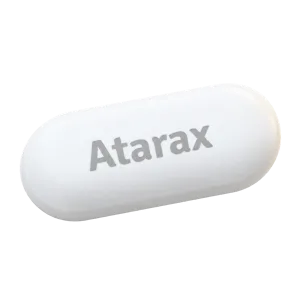
Atarax
Sedation and alertness
Allegra is generally selected when a person wants allergy relief with limited daytime drowsiness. Its peripheral action reduces the likelihood of the heavy sedation associated with older antihistamines.
No antihistamine can guarantee perfect alertness for every person. Dizziness, fatigue, or sleepiness can occur, especially during initial use or when combined with alcohol, sleeping tablets, sedatives, or another medicine that affects the nervous system.
Do not drive, cycle in heavy traffic, work at height, or operate machinery until your individual response is clear. If you remain drowsy after repeated doses, the treatment should be reviewed.
Allegra: What Customers Say
The tablets helped with itching and a runny nose. I took one with breakfast juice on the first morning and felt it did very little, so I changed to water and noticed a better response.
Allegra reduced my hives, but I still had occasional flare-ups. I also take an antacid, so spacing the medicines became part of my routine.
I stayed alert enough to work and drive, which suited me. I had a mild headache during the first two days, but it did not continue.
The nasal itching improved, though congestion was still present. I found the medicine useful for the allergy symptoms but not enough for every part of the problem.
Sources
- MHRA (2024). Summary of Product Characteristics (SmPC) — fexofenadine
- EMA (2024). Summary of Product Characteristics (SmPC) — fexofenadine
- WHO (2023). Allergic diseases and hypersensitivity: health information