The first fortnight brought dry mouth and constipation, and I nearly stopped. By about week five, I was spending less time checking doors before leaving. The improvement was gradual rather than dramatic.
Anafranil is used for obsessive-compulsive disorder and other conditions involving persistent anxiety, low mood, or panic. It contains clomipramine hydrochloride, a tricyclic antidepressant that increases serotonin and norepinephrine activity in the brain. Treatment is tailored to age, other medicines, and individual health conditions.
About this product
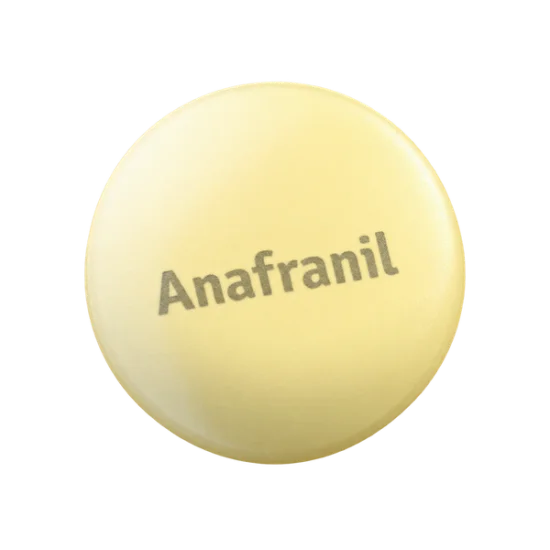
Anafranil is a medicine containing clomipramine hydrochloride, a tricyclic antidepressant. It is used mainly for obsessive-compulsive disorder and may also be prescribed for depressive symptoms, panic symptoms, and selected pain conditions.
Uses
Anafranil is most closely associated with obsessive-compulsive disorder, where unwanted intrusive thoughts and repetitive behaviours interfere with daily life. Clomipramine can reduce the intensity and frequency of obsessions and compulsions, although improvement usually develops gradually rather than after one tablet.
Clinical indications include:
- obsessive-compulsive disorder;
- depressive illness, when a tricyclic antidepressant is considered suitable;
- panic disorder and related anxiety symptoms;
- selected chronic pain syndromes under specialist supervision;
- symptoms involving persistent intrusive thoughts or severe anxiety.
The strongest evidence base concerns obsessive-compulsive disorder. NICE guidance places serotonin-modulating antidepressants and psychological treatment among the main approaches for OCD, with treatment choice shaped by symptom severity, previous response, adverse effects, and patient preference [2].
| Clinical use | Therapeutic focus | Typical treatment context |
|---|---|---|
| Obsessive-compulsive disorder | Reducing obsessions and compulsions | Psychiatric treatment, often alongside psychological therapy |
| Depression | Improving persistent low mood and associated symptoms | Used when the prescriber considers a tricyclic suitable |
| Panic disorder | Reducing recurrent panic and anticipatory anxiety | Gradual dose adjustment and monitoring |
A person with OCD may still experience intrusive thoughts during the first weeks. The useful change is often a gradual reduction in the urgency to perform rituals, followed by greater flexibility in daily routines.
Pharmacological action
Clomipramine inhibits the reuptake of serotonin and norepinephrine at nerve endings. Reuptake normally removes these neurotransmitters from the synaptic cleft, the small communication space between nerve cells. By slowing that removal, clomipramine increases their availability for signalling.
Serotonin is involved in mood regulation, anxiety processing, impulse control, and repetitive thought patterns. Norepinephrine contributes to alertness, motivation, attention, and the body’s response to stress. The combined effect explains why clomipramine can influence both obsessive symptoms and depressive or anxious features.
The pharmacological profile also explains many adverse effects. Clomipramine blocks muscarinic acetylcholine receptors, which can produce dry mouth, blurred vision, constipation, and difficulty urinating. It can influence histamine receptors, contributing to sedation and weight gain. Effects on cardiac ion channels may affect heart rhythm in susceptible people.
Anafranil differs from selective serotonin reuptake inhibitors because it affects more than one neurotransmitter system and has stronger activity at several additional receptors. SSRIs are often selected first because they tend to have a simpler tolerability profile, while clomipramine may be considered when OCD symptoms remain troublesome or when a specialist judges its benefits to outweigh its broader adverse-effect profile.
The World Health Organization classifies clomipramine within the tricyclic antidepressant group. Its long clinical history provides substantial information about dosing, interactions, and monitoring, although older use does not remove the need for individual assessment.
When not to use it
Clomipramine can prolong cardiac repolarisation in susceptible people. Combining it with other QT-prolonging medicines may increase the risk of torsades de pointes, a potentially dangerous ventricular rhythm.
Asenapine may also affect cardiac repolarisation and central nervous system function. Anagrelide can raise cardiac risk, while arsenic trioxide and artemether are medicines with recognised QT-related concerns in appropriate clinical contexts. Combining these agents with clomipramine requires a prescriber-led assessment of rhythm risk, electrolyte levels, and alternative treatment options.
Apixaban does not prolong the QT interval, but antidepressants that affect serotonin signalling may increase bleeding tendency when combined with anticoagulants. Bruising, prolonged nosebleeds, blood in urine, black stools, or vomiting blood require urgent assessment.
Other important interaction groups include:
- monoamine oxidase inhibitors;
- medicines that strongly inhibit clomipramine metabolism;
- other antidepressants affecting serotonin;
- sedatives, opioid analgesics, and sleep medicines;
- medicines with anticholinergic effects;
- stimulants and some medicines used for heart rhythm disorders.
The FDA prescribing information describes cardiovascular, seizure, overdose, and interaction risks that are especially relevant when clomipramine is combined with other centrally acting or cardiac-active medicines [3].
When this is not for you
Anafranil is not suitable for everyone. The medicine requires specific caution or avoidance in people with certain cardiac, neurological, psychiatric, or medication-related risks.
Anafranil is not for you if
- you have had a serious allergic reaction to clomipramine or a related tricyclic antidepressant;
- you are recovering from a recent heart attack or have a significant untreated cardiac rhythm disorder;
- you have severe urinary retention or untreated narrow-angle glaucoma;
- you are taking a monoamine oxidase inhibitor, or have stopped one too recently;
- you have a seizure disorder that is poorly controlled;
- you have severe liver disease requiring specialist medication adjustment;
- you have previously developed mania or severe agitation with antidepressant treatment.
Adverse reactions
Common adverse effects are linked to the same receptor actions that produce the therapeutic response. Reported effects include dry mouth, constipation, sweating, blurred vision, dizziness, sleepiness, insomnia, nausea, tremor, increased appetite, and sexual dysfunction.
Some people feel more tired. Others feel restless or have difficulty sleeping. Weight change can occur over time, and postural dizziness may be more noticeable when standing quickly after sitting or lying down.
Practical measures can help:
- sip water regularly for dry mouth;
- increase dietary fibre gradually for constipation;
- stand up slowly if light-headedness occurs;
- avoid driving until the effect on alertness is clear;
- take the dose later in the day if the prescriber approves and sedation is consistent;
- report persistent urinary difficulty, visual disturbance, or palpitations.
Serious reactions require urgent medical attention. These include fainting, fast or irregular heartbeat, seizures, severe confusion, marked agitation, suicidal thinking, severe allergic symptoms, or symptoms suggesting serotonin toxicity such as fever, muscle rigidity, heavy sweating, and rapidly changing mental status.
One practical detail is easy to overlook: blurred vision from anticholinergic effects can make night driving uncomfortable even when daytime vision seems acceptable. Another is constipation, which can become severe when combined with other medicines that slow bowel movement.
What it contains
Anafranil is the product name associated with clomipramine hydrochloride. Clomipramine belongs to the tricyclic antidepressant class, which affects the handling of neurotransmitters involved in mood, anxiety, attention, and repetitive thoughts.
The medicine is supplied as tablets. Its clinical action comes from clomipramine, the active chemical compound in clomipramine hydrochloride. The compound is absorbed after oral administration and undergoes hepatic metabolism, producing active metabolites that also influence neurotransmitter signalling. The UK Medicines and Healthcare products Regulatory Agency (MHRA) recognises clomipramine within the established antidepressant class used in specialist psychiatric treatment [1].
Active ingredient identity
Clomipramine hydrochloride is the hydrochloride salt of clomipramine. This form helps create a consistent oral pharmaceutical preparation. Clomipramine has a stronger effect on serotonin reuptake than many older tricyclic antidepressants, while also affecting norepinephrine reuptake.
The medicine may be prescribed for obsessive thoughts and compulsive behaviours, depressive symptoms, panic symptoms, and selected pain conditions when a clinician considers its mechanism appropriate.
Dosage and administration
The dose is decided individually, taking age, other medicines, and health conditions into account. Anafranil tablets are taken by mouth, and the prescriber determines the starting dose, adjustment schedule, and treatment duration.
Common prescribing principles include:
- starting with a lower dose and increasing it gradually when needed;
- taking the medicine at the same time each day;
- using divided doses or a later daily dose if sedation occurs;
- taking the tablet with food when nausea develops;
- continuing treatment for the prescribed duration rather than stopping after early improvement;
- reducing the dose gradually when treatment ends.
Do not stop abruptly. Sudden discontinuation can cause dizziness, nausea, sleep disturbance, headache, irritability, sweating, or a return of the original symptoms.
If a dose is missed, take it when remembered unless the next dose is close. Do not take two doses together to compensate. A missed-dose plan may differ when several daily doses are prescribed, so the timing of the next dose should follow the individual prescription.
Food is not usually required for absorption, but taking the tablet with a meal can reduce stomach discomfort. Alcohol can add to sedation and impaired coordination.
Comparison
Clomipramine has a distinctive role among antidepressants because it strongly affects serotonin reuptake while also influencing norepinephrine and several other receptor systems.
| Treatment approach | Main pharmacological feature | Practical limitation |
|---|---|---|
| Clomipramine | Serotonin and norepinephrine reuptake inhibition, with additional receptor effects | More anticholinergic, sedative, cardiac, and overdose risks |
| SSRI treatment | Predominantly serotonin reuptake inhibition | May cause nausea, sleep changes, sexual dysfunction, or emotional blunting |
| Psychological therapy for OCD | Changes responses to intrusive thoughts and compulsive urges | Requires regular participation and may feel demanding during severe symptoms |
For OCD, exposure and response prevention can be used alone in milder cases or combined with medication when symptoms are more persistent. Clomipramine may be chosen when an SSRI has not produced enough improvement, though clinicians weigh its adverse effects carefully.
A tricyclic antidepressant can be useful, but it is not automatically the best first option for every person. Its broader receptor activity creates more opportunities for side effects and interactions than a treatment with a narrower mechanism.
Common mistakes
Several practical errors can reduce benefit or increase risk:
- stopping after the first improvement in anxiety or compulsions;
- doubling the next dose after forgetting one;
- combining the medicine with alcohol while still experiencing drowsiness;
- starting an over-the-counter sedative or antihistamine without checking for additive effects;
- ignoring constipation, urinary difficulty, or persistent palpitations;
- driving before learning how the medicine affects concentration;
- stopping suddenly after long-term treatment;
- failing to mention apixaban, heart-rhythm medicines, or previous seizures;
- taking multiple serotonergic medicines without a prescriber’s plan.
Do not crush or chew a tablet unless the specific formulation has been confirmed as suitable for that method. Altering a tablet can change how the dose is released or absorbed.
What doctors say
In clinical practice, doctors generally explain that OCD improvement is measured by reduced time spent on rituals, less distress from intrusive thoughts, and greater ability to delay or resist compulsions. The goal is not necessarily the total disappearance of every unwanted thought.
Prescribers usually increase clomipramine cautiously. A person who is older, has heart disease, takes several medicines, or has a history of fainting may need closer monitoring than a younger adult without those factors.
The MHRA has highlighted the need to monitor antidepressant treatment for changes in mood, suicidal thinking, and unusual behavioural activation, especially after starting or changing treatment [4]. This is not limited to young adults; any age group can experience clinically significant mood changes.
Questions and answers
How does Anafranil differ from an SSRI?
Anafranil contains clomipramine, while an SSRI mainly increases serotonin signalling by selectively inhibiting serotonin reuptake. Clomipramine also affects norepinephrine and several other receptors, which may help OCD but can produce more dry mouth, constipation, sedation, and cardiac concerns. NICE guidance updated in 2022 places both psychological treatment and serotonin-based medicines within OCD care, with selection based on response and tolerability . The difference is pharmacological breadth, not a guarantee that one option will work better for every person. A clinician can reassess the balance after several weeks.
Which symptoms require urgent medical attention?
Urgent assessment is needed for fainting, a fast or irregular heartbeat, seizures, severe confusion, severe allergic swelling, or thoughts of suicide. Fever with marked agitation, sweating, tremor, diarrhoea, or muscle stiffness may indicate serotonin toxicity. The MHRA safety information on antidepressants, referenced in 2007 guidance, supports prompt review when suicidal thinking or unusual behavioural activation appears . Do not take an extra dose while waiting for advice.
Can Anafranil be taken with food?
Clomipramine tablets may generally be taken with food or on an empty stomach, but food can reduce nausea for some people. Taking each dose in a consistent way may make stomach effects easier to interpret. The FDA prescribing information for Anafranil describes oral administration and dose adjustment according to response and tolerability . Alcohol can intensify sedation and impaired coordination, so it should be avoided when drowsiness is present.
What is the best time of day to take Anafranil?
The best time depends on the prescribed schedule and whether clomipramine causes sleepiness or insomnia. A later dose may suit someone who becomes drowsy, while divided doses may be used when a prescriber wants steadier exposure. The FDA label describes gradual individual dose adjustment rather than one universal timing rule . Keep the timing consistent once a suitable routine has been established.
Can I drive, concentrate, or operate machinery while taking Anafranil?
Clomipramine can cause drowsiness, blurred vision, dizziness, or reduced concentration, especially after starting treatment or changing the dose. Do not drive, cycle in traffic, climb at height, or operate machinery until you know how Anafranil affects you. UK driving-safety advice from the MHRA has long treated medicine-related impairment as a practical risk requiring individual assessment . Alcohol and sedative medicines can make impairment stronger.
Can the tablet be split, crushed, or chewed?
Do not crush or chew Anafranil tablets unless the prescriber or dispensing instructions specifically confirm that the product can be altered. Some tablets can be split only when they have an appropriate score line and the dose is intended to be divided. The FDA product information describes the tablet as an oral dosage form but does not make crushing a routine administration method . If swallowing is difficult, the prescriber can select a suitable alternative approach.
Do you offer anonymous delivery?
Your order will be securely packed and shipped within 24 hours. This is exactly what your package will look like (images of an actual item sent). It has the size and look of a regular private letter (24x11x0.7 cm) and its contents cannot be seen.
Comparison
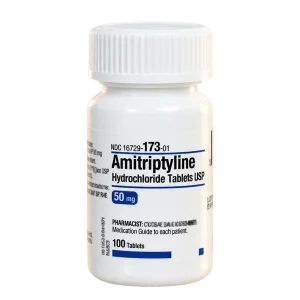
Amitriptyline
Anafranil Current
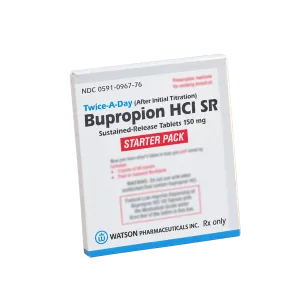
Bupropion
Anafranil: What Customers Say
Sleepiness was the main problem at first. Taking it later helped, but I still felt less steady when getting up quickly. My prescriber reviewed my other medicines and adjusted the plan.
The compulsions became easier to resist, which made daily routines less exhausting. I disliked the dry mouth and gained some weight, so the treatment needed regular review rather than being left unchanged.
It reduced the panic attacks after several weeks, but the first days included nausea and poor concentration. I avoided driving until I knew how strongly it affected me.
Sources
- Medicines and Healthcare products Regulatory Agency (MHRA) (2025). Anafranil 10 mg tablets: Summary of Product Characteristics (SmPC)
- National Institute for Health and Care Excellence (NICE) (2022). Obsessive-compulsive disorder and body dysmorphic disorder: treatment, NICE guideline CG31
- U.S. Food and Drug Administration (FDA) (2018). Anafranil (clomipramine hydrochloride) prescribing information
- Medicines and Healthcare products Regulatory Agency (MHRA) (2007). Antidepressants: risk of suicidal thoughts and behaviour