Skip to content
Save up to 80%
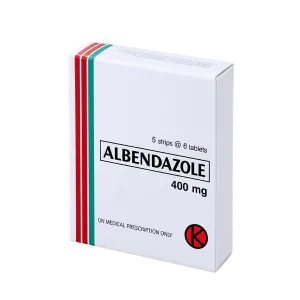
Albendazole
Active ingredient: Albendazole

Albendazole

Quality products
24/7 Support
Fast delivery
Delivery from 4 days
Select pack Package Per tablet Price

Free delivery on orders from £ 200.00, free express delivery from £ 300.00

Secure Payments
Track your order
Best price guarantee

It acts against worms by disrupting their microtubules and glucose use, which can lead to energy depletion and parasite death. The product is intended for people with intestinal or tissue-invasive parasitic infections.

About this product

Albendazole, the active ingredient in Albendazole, is a broad-spectrum anthelmintic used for intestinal and tissue-invasive parasitic infections. Albendazole belongs to the benzimidazole class of anthelmintics, medicines designed to treat infections caused by parasitic worms.

Uses

Albendazole is used in clinical practice for conditions such as:

  • Neurocysticercosis caused by larval tapeworm infection in the nervous system
  • Cystic hydatid disease caused by larval Echinococcus infection
  • Hookworm infection
  • Pinworm infection
  • Ascariasis and some other intestinal nematode infections
  • Certain other tapeworm and tissue-parasite infections when prescribed by a specialist

Pharmacological action

Albendazole works mainly by binding to parasite beta-tubulin, a protein needed to form microtubules. Microtubules support the parasite’s internal structure and help it absorb nutrients. When this process is disrupted, the worm’s ability to take up glucose falls.

The parasite gradually loses its energy supply. Its glycogen stores become depleted, cellular functions fail, and the worm dies or is cleared from the body.

Human cells are less affected at recommended doses because albendazole binds parasite tubulin more readily than human tubulin. The drug’s activity also depends on absorption and metabolism. Albendazole is converted in the liver to albendazole sulfoxide, the metabolite responsible for much of its activity against tissue parasites.

Albendazole is more broadly useful for some tissue infections than mebendazole because its active metabolite reaches systemic circulation. This distinction matters when the parasite is outside the intestinal tract.

The mechanism and approved uses are described in regulatory prescribing information for albendazole [1].

When not to use it

  • Previous allergic reaction to albendazole or a related benzimidazole
  • Known liver disease or abnormal liver tests
  • Pregnancy, especially during the first trimester
  • Planned conception
  • Breastfeeding
  • Existing low blood-cell counts
  • Neurocysticercosis involving the eye
  • Treatment with medicines that can damage the liver
  • A need for prolonged or repeated courses

Albendazole should not be started during pregnancy unless the expected clinical benefit clearly outweighs the potential risk. Pregnancy testing may be considered before prolonged treatment in people who could become pregnant.

When this is not for you

Albendazole is not suitable for everyone. Eye involvement in cysticercosis needs specialist assessment because inflammation caused by parasite death can threaten vision. Treatment for brain or eye disease should not be approached like treatment for uncomplicated intestinal worms.

Adverse reactions

Short courses are often tolerated without serious problems, but adverse effects remain possible. Common reactions can include:

  • Abdominal pain or discomfort
  • Nausea
  • Vomiting
  • Diarrhoea
  • Headache
  • Dizziness
  • Temporary fatigue

Longer courses or higher systemic exposure can increase the importance of liver monitoring. Possible laboratory changes include raised liver enzymes. Rare but serious blood abnormalities can include reduced white-cell or platelet counts.

During treatment for neurocysticercosis, headaches, vomiting, dizziness, seizures, or visual changes can reflect inflammation around dying parasites or increased pressure around the brain. These symptoms require urgent medical assessment rather than self-treatment.

Stop treatment and seek urgent medical attention for:

  • Facial, tongue, or throat swelling
  • Trouble breathing or swallowing
  • Widespread blistering or peeling skin
  • Yellowing of the skin or eyes
  • Dark urine with marked weakness
  • Unusual bleeding or extensive bruising
  • Severe headache, repeated vomiting, confusion, or a new seizure

Liver toxicity may develop without dramatic early symptoms. Extended treatment therefore requires the monitoring schedule selected by the treating clinician.

A mild stomach upset can occur after a dose, but yellow eyes, unusually dark urine, severe weakness, or persistent vomiting are different warning signs and should not be managed by simply taking the next tablet.

One practical detail is easy to miss: symptoms can temporarily worsen during treatment for tissue parasites because the immune system reacts to dying organisms. Another is that severe headache during neurocysticercosis treatment may represent raised intracranial pressure, not an ordinary headache.

What it contains

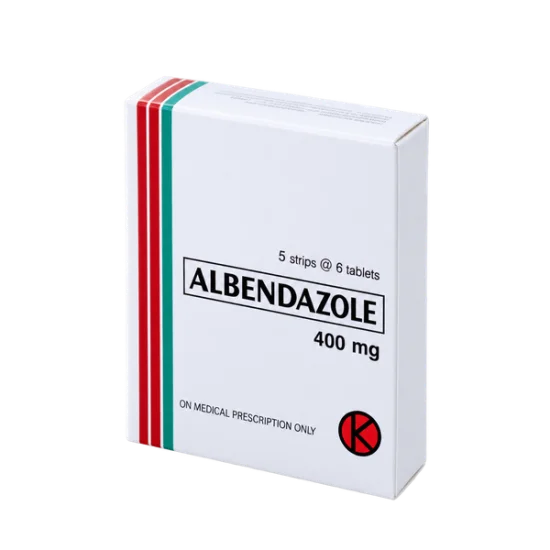
Albendazole contains albendazole as its active ingredient and is supplied as tablets. The pack contains six tablets. Albendazole belongs to the benzimidazole class of anthelmintics, medicines designed to treat infections caused by parasitic worms.

Its clinical use depends on the parasite, the site of infection, the patient’s age, body weight, liver function, and the treatment plan selected by a prescriber. Dosing differs between strengths and between users, so there is no single amount that suits everyone. Tissue infections can require repeated treatment over a longer period.

Albendazole is used in clinical practice for conditions such as:

  • Neurocysticercosis caused by larval tapeworm infection in the nervous system
  • Cystic hydatid disease caused by larval Echinococcus infection
  • Hookworm infection
  • Pinworm infection
  • Ascariasis and some other intestinal nematode infections
  • Certain other tapeworm and tissue-parasite infections when prescribed by a specialist

The product is taken orally. It targets worms.

Albendazole treatment is not selected by tablet strength alone. The same active ingredient can require a different schedule for an intestinal infection than for a parasite affecting the brain, liver, lungs, or other tissue.

Systemic tissue parasites

Neurocysticercosis and cystic hydatid disease are more complex than uncomplicated intestinal infections. Neurocysticercosis involves larval Taenia solium in the nervous system. Cystic hydatid disease involves cyst-forming Echinococcus parasites, often affecting the liver or lungs.

These conditions can require prolonged courses, specialist supervision, blood tests, liver-function monitoring, and assessment of the affected organ. Treatment decisions also depend on imaging and neurological findings. Albendazole may also cause an inflammatory reaction as parasites die. In neurocysticercosis, this reaction can worsen headache, seizures, or pressure around the brain, so corticosteroids or anti-seizure treatment may be used alongside antiparasitic therapy.

Intestinal parasitic infections

Hookworms, pinworms, roundworms, and some other intestinal nematodes may be treated with shorter regimens. The chosen schedule depends on the identified parasite and local clinical guidance. Reinfection is common with pinworm, especially when household hygiene measures are not addressed.

Pinworm eggs can remain under fingernails and on bedding. Handwashing, short fingernails, laundering bedding, and cleaning frequently touched bathroom surfaces can reduce the chance of reinfection during treatment.

Dosage and administration

Dosing differs between strengths and between users, so there is no single amount that suits everyone. The correct schedule depends on the parasite, infection site, body weight, age, liver function, and whether the infection is intestinal or systemic.

A prescriber may select:

  • A short regimen for certain intestinal nematodes
  • A repeat dose for selected infections
  • A longer course for neurocysticercosis or cystic hydatid disease
  • Weight-based treatment for some tissue-invasive infections
  • Additional treatment cycles when clinical response or imaging shows that they are required

The tablets are taken by mouth. Follow the prescribed schedule rather than extending treatment because symptoms continue. Do not double the next dose after a missed dose unless the prescriber has given that specific instruction.

For a missed dose, take it when remembered unless the next scheduled dose is near. Taking two doses together can increase adverse effects without reliably improving parasite clearance.

Some albendazole regimens are taken with food, and fatty meals can increase systemic absorption. That may be useful for tissue infections but may not be necessary for every intestinal indication. The meal instructions should match the regimen selected for the infection.

Do not crush or alter a tablet unless the prescriber or dispensing instructions permit it. A person who has difficulty swallowing should discuss a suitable administration method before starting treatment.

Comparison

Albendazole, mebendazole, and praziquantel all treat parasitic infections, but their pharmacology and clinical uses differ.

Medicine Main clinical distinction Systemic exposure
Albendazole Broad activity against several nematodes and selected tissue parasites Active metabolite provides meaningful systemic exposure
Mebendazole Commonly used for several intestinal nematode infections Lower systemic exposure than albendazole
Praziquantel Important option for many fluke and tapeworm infections Systemically absorbed; parasite targets differ

Albendazole may be selected when the infection involves tissue or when a broad benzimidazole spectrum is useful. Mebendazole may be chosen for an uncomplicated intestinal nematode infection. Praziquantel acts through a different mechanism and is often preferred for parasites that respond better to membrane and calcium-channel effects.

The choice is not based on which medicine sounds stronger. Identification of the parasite is more useful than relying on symptoms alone. Abdominal discomfort, itching, fatigue, and altered bowel habits can occur with several conditions.

Common mistakes

Several practical errors can reduce the chance of successful treatment:

  • Taking albendazole for a cold, flu, bacterial illness, or fungal skin infection
  • Repeating a dose independently because itching or abdominal symptoms continue
  • Taking two doses together after forgetting one
  • Stopping a prolonged specialist course without contacting the treating team
  • Missing liver-function or blood-count monitoring during extended therapy
  • Ignoring household hygiene during pinworm treatment
  • Failing to mention pregnancy, liver disease, or regular medicines
  • Treating symptoms without confirming whether the infection is parasitic

Pinworm reinfection deserves special attention. Eggs can spread through contaminated hands, clothing, bedding, and bathroom surfaces, so medicine alone may not prevent recurrence.

For suspected pinworm, wash hands after using the toilet and before eating, keep nails short, change underwear daily, and wash bedding regularly during the treatment plan.

What doctors say

In clinical practice, doctors usually begin by identifying the likely parasite rather than treating vague digestive symptoms with an anthelmintic. Stool testing, blood tests, imaging, travel history, food exposure, household contacts, and the pattern of symptoms can all influence the diagnosis.

A physician may choose Albendazole for a broad range of worm infections, yet the treatment plan still needs to match the organism. A short intestinal regimen and a prolonged tissue-parasite regimen are not interchangeable.

Doctors also look for treatment failure caused by reinfection, incomplete dosing, poor absorption, an incorrect diagnosis, or untreated household exposure. Persistent symptoms do not automatically mean that a larger dose is needed.

Questions and answers

Which symptoms mean stopping Albendazole and seeking urgent medical help?

Facial swelling, breathing difficulty, blistering skin, yellowing of the eyes, unusual bleeding, severe headache, repeated vomiting, confusion, or a new seizure require urgent assessment. The 2023 FDA prescribing information identifies serious allergic, hepatic, blood-related, and neurological concerns that need prompt clinical attention. Do not take another dose while waiting for urgent advice if a severe reaction has occurred.

How long does one dose of Albendazole keep working?

The clinical duration depends on the parasite, the infection site, and how well the medicine reaches the affected tissue. The WHO's 2023 guidance describes albendazole as an anthelmintic used in several treatment schedules, ranging from short intestinal regimens to longer courses for selected tissue infections [2]. A single dose should not be repeated simply because symptoms remain.

Can older adults use Albendazole?

Older adults may use Albendazole when the indication and dose are appropriate, but age-related liver, kidney, and medication changes can affect treatment decisions. The MHRA's 2024 safety principles support reviewing liver disease, concurrent medicines, and the need for monitoring before treatment, especially when a longer course is planned [3]. New confusion, weakness, poor appetite, or jaundice during treatment should be reported promptly.

Which diet, exercise, or habits help or hinder the result?

Food instructions depend on the treatment objective. A meal containing fat can increase systemic absorption, which may be relevant for tissue infections, while hygiene measures are central to reducing reinfection with intestinal worms. The CDC's 2024 parasite-control guidance supports handwashing, clean bedding, short fingernails, and appropriate sanitation as useful measures alongside drug treatment [4].

How long does a course last, and is long-term use acceptable?

Course length ranges from a short regimen for some intestinal infections to repeated or extended treatment for neurocysticercosis and cystic hydatid disease. The EMA's 2024 regulatory principles for systemic antiparasitic treatment support clinical supervision and monitoring when treatment is prolonged [5]. Long-term or repeated use should follow a defined specialist plan rather than self-directed continuation.

Do you offer anonymous delivery?

Your order will be securely packed and shipped within 24 hours. This is exactly what your package will look like (images of an actual item sent). It has the size and look of a regular private letter (24x11x0.7 cm) and its contents cannot be seen.

Comparison

Comparison table: Antiparasitics

Albendazole: What Customers Say

3.7
Based on 3 reviews
Mark, 62 Belfast One day
Verified
Rating: 4 out of 5

Mark, 62 - Belfast, took 400 mg once for one day for an intestinal worm infection. He reported mild nausea for several hours but no lasting problems, and his abdominal discomfort settled over the following days.

1 Oct 2026
Susan S., 31 York One day
Verified
Rating: 3.5 out of 5

Susan S., 31 - York, used 400 mg once for one day after testing confirmed a parasitic infection. She felt better within a week, although the tablet caused a temporary headache and she needed a repeat treatment arranged by her clinician.

10 Oct 2026
Steven, 43 London Several weeks
Verified
Rating: 3.5 out of 5

Steven, 43 - London, received 400 mg daily for several weeks under a longer treatment plan for a tissue infection. He found the monitoring appointments inconvenient and developed fatigue during treatment, but his follow-up assessment showed improvement.

27 Oct 2026

Sources

  1. U.S. Food and Drug Administration (2023). ALBENZA (albendazole) tablets, prescribing information.
  2. World Health Organization (2023). WHO Model List of Essential Medicines — albendazole entry.
  3. Medicines and Healthcare products Regulatory Agency (2024). Summary of Product Characteristics (SmPC) — albendazole.
  4. Centers for Disease Control and Prevention (2024). Clinical Care of Soil-transmitted Helminths.
  5. European Medicines Agency (2024). Summary of Product Characteristics (SmPC) — albendazole.
Get our free app Shop faster and track your orders Install