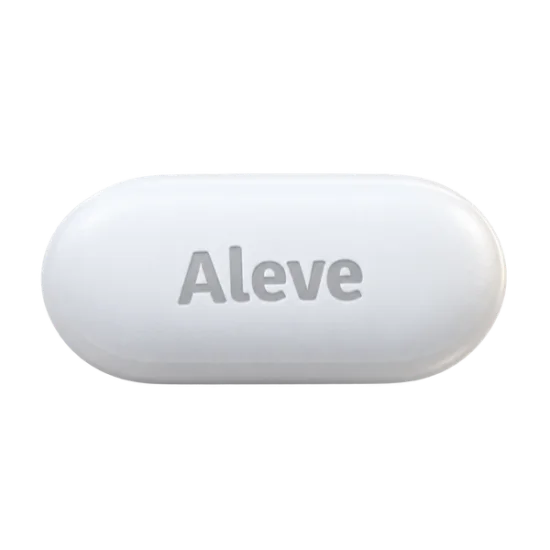
The cramps eased enough for me to work, and the relief lasted longer than I expected. I took it with food because the first tablet caused mild heartburn.
Aleve tablets contain naproxen sodium, a non-steroidal anti-inflammatory drug (NSAID) used for short-term relief of pain and inflammation. It is taken by mouth, with the dose and frequency agreed with a doctor or pharmacist according to the reason for use. Naproxen reduces prostaglandins, substances involved in pain, swelling, and fever.
About this product
Aleve contains naproxen sodium as its active pharmaceutical ingredient. Naproxen sodium belongs to the NSAID class, alongside other anti-inflammatory pain relievers. It is used for musculoskeletal pain, menstrual pain, headaches, and inflammatory joint symptoms.
Uses
Aleve is used for pain in muscles, joints, and soft tissues. Its anti-inflammatory action makes it more suitable for inflammatory pain than medicines that relieve pain without reducing inflammation.
Common uses include:
- Back pain and other musculoskeletal pain
- Muscle aches and stiffness
- Sprains and strains
- Minor arthritis pain
- Osteoarthritis-related joint discomfort
- Headache where inflammation contributes to symptoms
- Period pain, also called dysmenorrhoea
- Pain associated with short-term inflammation
Naproxen can reduce pain and stiffness, but it does not reverse cartilage wear in osteoarthritis or remove the underlying cause of a chronic joint disorder. Persistent swelling, progressive loss of movement, or pain that repeatedly returns needs assessment rather than prolonged self-treatment.
| Clinical situation | Likely symptom benefit |
|---|---|
| Muscle or soft-tissue pain | Reduced pain and movement-related tenderness |
| Joint inflammation or arthritis pain | Less stiffness, swelling, and discomfort |
| Period pain or headache | Reduced cramping or pain intensity |
Naproxen is most useful when inflammation forms part of the pain process. It may be less suitable when the main problem is pain without inflammation, especially in people with stomach, kidney, cardiovascular, or bleeding risks.
Pharmacological action
Naproxen sodium inhibits cyclo-oxygenase enzymes, commonly called COX-1 and COX-2. These enzymes help the body produce prostaglandins. Lower prostaglandin production reduces sensitisation of pain nerves and decreases inflammatory swelling.
The same mechanism explains both the benefits and the main risks. Reduced prostaglandins can ease pain and stiffness, while reduced protective prostaglandins in the stomach and kidneys can increase the risk of irritation, bleeding, or fluid retention. The MHRA describes these class effects in its safety information for systemic NSAIDs [1].
When not to use it
Aleve should not be used by people with:
- A current stomach or duodenal ulcer
- Previous gastrointestinal bleeding caused by an NSAID
- Severe kidney impairment
- Severe liver failure
- Severe heart failure
- A previous allergic reaction to naproxen, aspirin, or another NSAID
- A history of NSAID-triggered asthma, wheezing, or facial swelling
- Active gastrointestinal bleeding
- The third trimester of pregnancy
Naproxen can interact with anticoagulants such as warfarin and apixaban, antiplatelet medicines, corticosteroids, selective serotonin reuptake inhibitors, some blood-pressure medicines, diuretics, lithium, methotrexate, and ciclosporin. These combinations can increase bleeding, kidney, blood-pressure, or toxicity risks.
The NHS and MHRA recommend reviewing NSAID exposure in these groups rather than treating repeated pain with indefinite self-medication [4].
When this is not for you
Aleve is not for you if you have had a stomach ulcer or bleeding, severe kidney, liver, or heart problems, or an allergic reaction to naproxen, aspirin, or another NSAID. You should also avoid it if anti-inflammatory painkillers have caused you asthma, wheezing, or facial swelling, or if you are in the third trimester of pregnancy.
Tell a clinician before taking Aleve if you use blood thinners, steroids, antidepressants, diuretics, blood-pressure medicines, lithium, methotrexate, ciclosporin, or low-dose aspirin. Older adults and people with high blood pressure or previous ulcers need a careful review before using it.
Adverse reactions
The most frequent problems with naproxen involve the digestive system. Indigestion, nausea, abdominal discomfort, heartburn, and diarrhoea can occur. These symptoms may improve when the tablet is taken with food, though food does not remove the risk of ulceration or bleeding.
More serious reactions require urgent action. These include:
- Black or tarry stools
- Vomiting blood or material resembling coffee grounds
- Severe or persistent abdominal pain
- Sudden chest pain, breathlessness, weakness, or slurred speech
- Facial swelling, wheezing, or difficulty breathing
- A widespread blistering or peeling rash
- Markedly reduced urine output
- Sudden swelling of the legs or rapid unexplained weight gain
NSAIDs can raise blood pressure, cause fluid retention, worsen heart failure, and increase the risk of cardiovascular events. The risk rises with higher exposure, longer treatment, previous cardiovascular disease, uncontrolled hypertension, smoking, diabetes, and older age. The WHO identifies NSAID-related gastrointestinal and cardiovascular complications as clinically significant medicine-safety concerns [3].
Kidney effects can appear without dramatic early symptoms. A person may feel only tired or notice ankle swelling while kidney function is changing. This is one reason prolonged use, dehydration, vomiting, diarrhoea, or treatment with diuretics deserves medical review.
Aleve can also aggravate asthma in people who react to aspirin or other NSAIDs. A history of nasal polyps, chronic sinus inflammation, or previous wheezing after an anti-inflammatory painkiller increases concern.

What it contains
The sodium salt dissolves more readily than naproxen in its non-salt form. This helps the medicine become available for absorption after oral administration. The clinical effect still depends on the strength, dose, individual response, and the condition being treated.
Dosage and administration
The amount and frequency depend on the purpose of use and are agreed with a doctor or pharmacist. Use the lowest amount that provides useful relief for the shortest necessary period.
- Take Aleve by mouth with water.
- Take it with food or milk if stomach irritation occurs.
- Swallow the tablet whole.
- Do not crush, chew, or split the tablet unless a prescriber has specifically authorised that method.
- Do not combine it with another naproxen product.
- Avoid taking it with another NSAID, such as ibuprofen or aspirin used for pain, unless a clinician has instructed you to do so.
- If a dose is missed, take it when remembered unless the next scheduled dose is close; do not double the next dose.
- Stop self-treatment and obtain medical advice if pain persists, worsens, or repeatedly returns.
The maximum daily amount is not identical for every indication or patient. Age, kidney function, ulcer history, cardiovascular disease, other medicines, and the formulation strength all influence the appropriate limit. A pharmacist or prescriber should establish the regimen before use when these factors apply.
One practical detail is easy to miss: naproxen can reduce pain enough to encourage extra activity before an injured tissue has recovered. Relief does not prove that a strain, sprain, or joint problem has healed.
Comparison
| Active substance | Main properties | Typical clinical distinction |
|---|---|---|
| Naproxen sodium | NSAID with analgesic and anti-inflammatory actions | Longer-lasting action in many patients |
| Ibuprofen | NSAID with analgesic, antipyretic, and anti-inflammatory actions | Often selected when a shorter duration is preferred |
| Paracetamol | Analgesic and antipyretic with limited peripheral anti-inflammatory activity | Useful for pain or fever when NSAIDs are unsuitable |
Naproxen and ibuprofen both reduce prostaglandin production through COX inhibition. Naproxen tends to remain in the body longer, while ibuprofen is cleared more quickly. That difference can matter when a person needs symptom control across a longer period, though it also makes repeated dosing and accumulation more relevant.
Paracetamol works through different pain-processing pathways and has little anti-inflammatory activity at usual doses. It may be considered when inflammation is not prominent or when NSAIDs carry additional risk. Liver disease, heavy alcohol intake, and other paracetamol-containing medicines still require careful attention.
Naproxen is not automatically the strongest choice for every pain problem. Its main advantage is the combination of anti-inflammatory action and relatively prolonged activity; its limitation is a greater concern for gastrointestinal, renal, blood-pressure, and cardiovascular complications than with paracetamol.
Common mistakes
Several habits reduce the benefit of Aleve or increase risk:
- Taking it alongside ibuprofen, diclofenac, or another NSAID
- Using it with an anticoagulant without a medication review
- Taking extra tablets because the first dose has not worked quickly
- Continuing it for weeks without reviewing the original pain
- Using it during dehydration from vomiting, diarrhoea, fever, or poor fluid intake
- Ignoring black stools, persistent indigestion, or ankle swelling
- Crushing or chewing a tablet
- Assuming food removes all ulcer and bleeding risk
- Forgetting to mention over-the-counter aspirin or cold remedies
- Taking it before strenuous activity to mask pain from an injury
Another overlooked issue is dehydration. NSAIDs reduce prostaglandins that help maintain kidney blood flow during physical stress. Taking naproxen while dehydrated can place extra strain on the kidneys, especially in older adults.
What doctors say
In clinical practice, doctors usually judge naproxen by three factors: whether inflammation is contributing to the pain, whether the person has NSAID risk factors, and whether the expected benefit justifies exposure.
A doctor may prefer naproxen for inflammatory joint pain or period pain when longer symptom coverage is useful. The same doctor may choose paracetamol or a non-drug approach when ulcer risk, kidney disease, heart failure, or poorly controlled hypertension makes an NSAID unsuitable.
The best response is not always the most noticeable response during the first hour. Pain relief should be assessed across the agreed treatment period, while monitoring for stomach symptoms, swelling, blood-pressure changes, and reduced urine output. A lack of improvement should prompt reassessment rather than automatic dose escalation. Doctors also look for the reason behind recurrent pain. Repeated headaches, persistent back pain, or increasing joint stiffness may indicate a condition needing examination, physiotherapy, blood tests, or imaging.
Questions and answers
Which symptoms mean stopping Aleve and seeking urgent medical help?
Stop taking Aleve and seek urgent medical help for vomiting blood, black stools, severe abdominal pain, facial swelling, wheezing, or sudden breathing difficulty. Chest pain, one-sided weakness, slurred speech, and sudden severe headache also require emergency assessment. The MHRA’s NSAID safety guidance identifies gastrointestinal bleeding, allergic reactions, and cardiovascular symptoms as serious warning signs; its patient information remains relevant in 2026 [5]. Do not take another dose while waiting for urgent assessment.
What is the best time of day to take Aleve?
The best time depends on the agreed dosing schedule and when symptoms are most troublesome. Taking it with food or milk may reduce stomach discomfort, although this does not prevent serious gastrointestinal effects. Guidance from the NHS and MHRA supports using the lowest suitable exposure for the shortest necessary period; the relevant advice remains applicable in 2026. A dose intended for night-time symptoms should not be moved or repeated without confirming the schedule.
Can older adults use Aleve?
Older adults can experience useful pain relief from naproxen, but they have higher risks of gastrointestinal bleeding, kidney impairment, fluid retention, and cardiovascular complications. Age-related reduction in kidney function may be present even when a person feels well. The EMA’s NSAID safety material and its clinical risk framework remain relevant to older adults in 2026. A medication review is needed when the person also uses anticoagulants, diuretics, blood-pressure treatment, corticosteroids, or low-dose aspirin.
What should be discussed with a doctor before starting Aleve?
Discuss previous ulcers or gastrointestinal bleeding, kidney or heart disease, high blood pressure, asthma triggered by aspirin or NSAIDs, pregnancy, and breastfeeding. Provide a full list of medicines, including aspirin, anticoagulants, steroids, antidepressants, diuretics, and other painkillers. NICE guidance on medicines optimisation supports reviewing interactions and individual risk before regular NSAID treatment; the guidance remains a relevant clinical reference in 2026. This review is also needed when pain is recurrent, unexplained, or associated with swelling or loss of function.
How soon can the effect of Aleve become noticeable?
Some people notice pain relief within the first few hours after taking naproxen sodium, while inflammation-related stiffness may improve more gradually. The onset depends on the formulation, dose, food intake, severity of inflammation, and individual absorption. Pharmacokinetic information reviewed by the EMA remains relevant in 2026 and describes naproxen sodium as an orally absorbed NSAID with a relatively prolonged elimination phase. If symptoms are unchanged or worsening, taking extra tablets is not a safe substitute for reassessment.
Do you offer anonymous delivery?
Your order will be securely packed and shipped within 24 hours. This is exactly what your package will look like (images of an actual item sent). It has the size and look of a regular private letter (24x11x0.7 cm) and its contents cannot be seen.
Comparison
Aleve Current
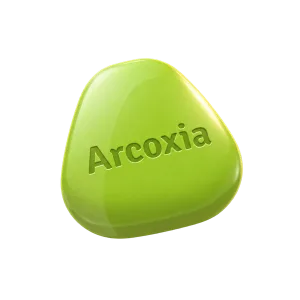
Arcoxia
Duration of action of Aleve
Naproxen has a longer elimination half-life than many shorter-acting NSAIDs. This allows its pain-relieving and anti-inflammatory effects to continue for much of the day in some people, although the duration varies with the condition, dose, metabolism, and severity of symptoms.
A single dose may provide relief for several hours, and some people experience useful coverage for up to 8–12 hours. This is a pharmacological range, not a guarantee. Pain may return sooner when inflammation is intense or the underlying condition is worsening.
The longer action can reduce the need for frequent dosing. It also means that adverse effects may persist after the last tablet, especially in older adults or people with reduced kidney clearance. The EMA’s naproxen safety information describes the relationship between prolonged exposure, NSAID effects, and patient risk factors [2].
Aleve: What Customers Say
After a few hours my knee felt less stiff, which made walking easier. I stopped after several days because I developed indigestion and did not want to continue without checking the cause.
It helped me sleep for the first few nights and I needed fewer doses than with a shorter-acting painkiller. I also noticed ankle swelling, so I stopped and arranged medical advice.
The pain settled enough for gentle movement, but it did not fix the underlying problem. I had taken another anti-inflammatory earlier that day once, which I later learned was not a good combination.
The morning stiffness improved after several doses, and I could manage ordinary tasks more comfortably. I still needed a treatment review because the pain returned whenever I stopped.
Sources
- MHRA (2015). Non-steroidal anti-inflammatory drugs: cardiovascular risks and advice on use.
- European Medicines Agency (2012). Assessment report for naproxen-containing medicinal products.
- World Health Organization (2023). Medication Safety in Polypharmacy: Technical Report.
- NHS (2024). NSAIDs — overview and safety information.
- MHRA (2023). Non-steroidal anti-inflammatory drugs: side effects and safety advice.