Hull, one prescribed tablet daily for several weeks, had used it for knee osteoarthritis. He said walking downstairs became easier, although his home blood-pressure readings rose slightly and required review. He said walking downstairs became easier, although his home blood-pressure readings rose slightly and required review.
Arcoxia is used for inflammatory joint pain, arthritis and selected acute pain episodes. Its active ingredient, etoricoxib, selectively inhibits COX-2 enzymes involved in inflammation and pain. Treatment should be reviewed if symptoms persist or risks change.
About this product
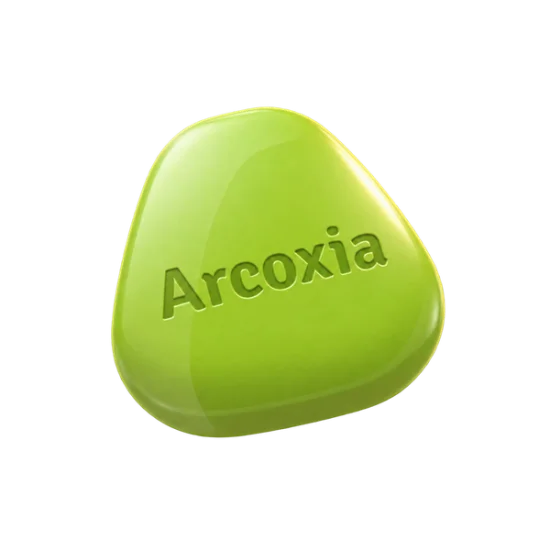
Arcoxia contains etoricoxib, a selective cyclo-oxygenase-2 (COX-2) inhibitor. It belongs to the non-steroidal anti-inflammatory drug (NSAID) class and is supplied as oral tablets.
Uses
Arcoxia is prescribed for several painful inflammatory conditions. The appropriate dose and treatment length vary by diagnosis, so the amount per intake is set individually rather than being one fixed number for every patient.
Management of chronic joint inflammation
Etoricoxib may be prescribed for:
- Osteoarthritis, where cartilage wear causes pain, stiffness and reduced joint function.
- Rheumatoid arthritis, where immune-driven inflammation affects the joints.
- Ankylosing spondylitis, a condition involving inflammation in the spine and pelvic joints.
- Chronic musculoskeletal pain when an anti-inflammatory approach is clinically appropriate.
In osteoarthritis, treatment aims to reduce pain during walking, climbing stairs, gripping or standing. In rheumatoid arthritis and ankylosing spondylitis, the medicine may help control inflammatory pain and morning stiffness, but it does not replace disease-modifying treatment when that treatment is required.
Relief of acute pain and gout flares
Arcoxia may also be prescribed for acute gout attacks. Gout pain can develop rapidly when monosodium urate crystals trigger intense inflammation inside a joint. Etoricoxib can reduce the inflammatory response during the flare.
Acute gout treatment is usually short term. Longer treatment increases exposure to NSAID-related risks, including raised blood pressure, kidney effects and cardiovascular complications. The prescriber selects the shortest suitable course for the clinical situation.
Dental pain and other short-term pain may sometimes be treated with etoricoxib under a prescriber’s direction. The reason for treatment matters because the suitable dose and duration differ between chronic arthritis and an acute flare.

Pharmacological action
Etoricoxib selectively inhibits COX-2 enzymes involved in inflammation and pain. COX-2 activity increases during inflammation, and prostaglandins produced through this pathway sensitise pain receptors and contribute to warmth, swelling and restricted movement. By inhibiting COX-2, etoricoxib lowers prostaglandin production and reduces these symptoms. The COX-1 enzyme supports protective functions in the stomach and helps maintain platelet activity.
When not to use it
It should not be used in people with:
- A current stomach or intestinal ulcer.
- Active gastrointestinal bleeding.
- Severe liver disease.
- Severe kidney disease.
- Uncontrolled high blood pressure.
- Established heart failure.
- Previous heart attack, stroke or peripheral arterial disease.
- An allergic reaction to etoricoxib, other NSAIDs or aspirin.
- Inflammatory bowel disease when an NSAID may worsen symptoms.
- Pregnancy, especially after 20 weeks unless a specialist has given a specific reason.
Important combinations include:
- Warfarin and other anticoagulants, which may require closer clotting monitoring.
- ACE inhibitors, angiotensin-receptor blockers and diuretics, which can increase kidney stress or reduce blood-pressure control.
- Low-dose aspirin, which may increase gastrointestinal bleeding risk.
- Methotrexate, lithium, ciclosporin or tacrolimus, where blood-level or kidney monitoring may be needed.
- Corticosteroids and selective serotonin reuptake inhibitors, which can increase bleeding risk.
- Rifampicin, which can reduce etoricoxib exposure and alter its effect.
The EMA product information lists these risks and interaction groups in detail [3].
When this is not for you
Arcoxia is NOT for you if you have uncontrolled hypertension, established cardiovascular disease, active gastrointestinal bleeding, severe kidney or liver disease, or an allergy to etoricoxib, other NSAIDs or aspirin; discuss alternatives with a clinician. Pregnancy planning, kidney disease, uncontrolled hypertension and anticoagulant treatment should be discussed before etoricoxib is prescribed. Do not add ibuprofen, naproxen, diclofenac or another anti-inflammatory NSAID without a specific instruction.
Adverse reactions
Common or clinically recognised adverse effects include:
- Headache or dizziness.
- Indigestion, stomach discomfort, nausea or diarrhoea.
- Swelling of the legs or ankles.
- Increased blood pressure.
- Fatigue.
- Changes in kidney function.
- Abnormal liver blood-test results.
Some people tolerate etoricoxib better than a non-selective NSAID from a stomach perspective. Others develop fluid retention, hypertension or dizziness. Tolerability is individual, and a previous good experience with another anti-inflammatory does not predict the response to Arcoxia.
Seek urgent medical attention for chest pain, sudden weakness on one side, severe breathlessness, black stools, vomiting blood, facial swelling, blistering rash or yellowing of the skin. These symptoms can indicate cardiovascular, gastrointestinal, allergic or liver complications.
Ankle swelling can be easy to dismiss as a warm-weather problem. New swelling after starting treatment deserves attention, especially when it affects both legs or occurs with breathlessness.
Etoricoxib can also affect liver enzymes without causing obvious symptoms. Blood tests may be arranged when treatment is prolonged or when liver disease, heavy alcohol use or other liver-affecting medicines are present.
What it contains
Arcoxia contains etoricoxib, a selective cyclo-oxygenase-2 (COX-2) inhibitor. It belongs to the non-steroidal anti-inflammatory drug (NSAID) class and is supplied as oral tablets. Etoricoxib reduces the production of prostaglandins, chemical messengers involved in pain, swelling and fever.
Active ingredient profile
Etoricoxib is a selective COX-2 inhibitor. Traditional NSAIDs affect both COX-1 and COX-2 enzymes, while etoricoxib is designed to act more selectively on COX-2. The distinction helps explain both its gastrointestinal profile and its cardiovascular cautions.
Arcoxia does not treat the underlying cause of every joint disease. It reduces inflammatory symptoms, which can make movement easier and lessen pain during daily activities.
Enzymatic targeting mechanism
COX-2 activity increases during inflammation. Prostaglandins produced through this pathway sensitise pain receptors and contribute to warmth, swelling and restricted movement. By inhibiting COX-2, etoricoxib lowers prostaglandin production and reduces these symptoms.
The COX-1 enzyme supports protective functions in the stomach and helps maintain platelet activity. Selective COX-2 inhibition may cause less gastric irritation than some non-selective NSAIDs, but it does not remove the risk of ulcers, bleeding or digestive complications. The European Medicines Agency describes this balance in its etoricoxib product information [1]. The U.S. Food and Drug Administration also addresses related NSAID cardiovascular and gastrointestinal risks in its labeling.
Dosage and administration
Arcoxia tablets are taken by mouth, usually once daily, with the prescribed amount determined by the treated condition and individual risk factors. Do not increase the amount because pain remains severe. Higher exposure does not guarantee better relief and can increase cardiovascular, kidney and blood-pressure risks.
- Swallow the tablet with water.
- Take it at roughly the same time each day when it is prescribed for ongoing symptoms.
- It may be taken with or without food.
- Use the shortest treatment period that controls the condition.
- Do not combine it with another NSAID unless a prescriber has specifically directed this.
- If a dose is missed, take it when remembered unless the next scheduled dose is near; do not double the next dose.
The tablet should be swallowed whole. Crushing or chewing is unnecessary and may make administration less predictable. Avoid taking extra over-the-counter anti-inflammatory tablets at the same time, since common products may also belong to the NSAID group.
A missed dose does not usually require a replacement dose. Doubling up can increase stomach, kidney and blood-pressure risks without restoring pain control in a reliable way.
Comparison
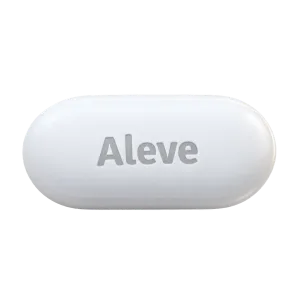
Arcoxia and traditional NSAIDs reduce inflammatory pain through prostaglandin inhibition, but they interact with COX enzymes differently.
| Treatment approach | Main enzyme effect | Main clinical consideration |
|---|---|---|
| Etoricoxib | Selective COX-2 inhibition | Lower gastric irritation for some patients, with cardiovascular and blood-pressure monitoring |
| Non-selective NSAIDs | COX-1 and COX-2 inhibition | Wider gastrointestinal effects, with individual cardiovascular and kidney risks |
| Non-drug measures | No enzyme inhibition | Useful alongside medicine, especially exercise, weight management and physiotherapy |
Selectivity and gastrointestinal profile
COX-2 selectivity can reduce gastric mucosal irritation compared with some older NSAIDs. It does not make etoricoxib suitable for every patient. Stomach ulceration and gastrointestinal bleeding remain possible, especially in people with a previous ulcer, older adults, those taking corticosteroids, or those using anticoagulants.
Cardiovascular assessment is essential. Etoricoxib can increase blood pressure and may raise the risk of heart attack or stroke, especially with higher doses, prolonged treatment or pre-existing cardiovascular disease. The MHRA highlights the need to use NSAIDs at the lowest suitable dose for the shortest appropriate duration [2].
Patients often focus on the stomach and overlook blood pressure. That is a practical mistake. A medicine that feels gentle on digestion can still be unsuitable when hypertension or vascular disease is poorly controlled.
Common mistakes
Several practical errors can reduce benefit or increase harm:
- Taking a second dose because the first dose did not provide immediate relief.
- Combining Arcoxia with ibuprofen, naproxen or diclofenac.
- Continuing a short gout course after the flare has settled.
- Ignoring rising blood-pressure readings.
- Treating new ankle swelling as an unrelated symptom.
- Forgetting to mention warfarin, aspirin, steroids or diuretics.
- Using leftover tablets for a new pain problem without a fresh assessment.
- Stopping disease-modifying rheumatoid arthritis treatment because joint pain has improved.
- Drinking heavily while taking a medicine that can affect the stomach and liver.
- Assuming less stomach discomfort means there is no cardiovascular risk.
One detail patients often miss is the effect of dehydration. Vomiting, diarrhoea, fever or very hot weather can reduce kidney perfusion, making NSAID-related kidney injury more likely. Maintaining normal fluid intake is sensible unless a clinician has prescribed fluid restriction.
Another overlooked issue is dental or surgical treatment. Tell the treating clinician about etoricoxib before a procedure, especially when anticoagulants or antiplatelet medicines are also used.
What doctors say
Clinicians generally assess three points before prescribing etoricoxib: the inflammatory diagnosis, the patient’s cardiovascular risk, and the expected treatment duration. A person with severe hypertension, previous vascular disease or fluid retention may need another approach even when joint pain is substantial.
For chronic arthritis, doctors usually review whether pain relief improves walking, sleep, grip or other measurable activities. Continuing treatment without any functional benefit exposes the patient to risk without a clear clinical return.
A practical prescribing pattern is to begin with the lowest suitable strength for the diagnosed condition, then reassess the response. Acute gout and chronic arthritis are not managed with identical regimens, so one patient’s dose should not be copied for another.
Patients sometimes expect the tablet to restore damaged cartilage or stop rheumatoid disease progression. Etoricoxib does neither. It controls inflammatory symptoms while the underlying condition receives its own management.
The World Health Organization emphasises risk-based medicine selection for chronic pain, including attention to comorbidities and concurrent treatment [4]. That principle applies directly to COX-2 inhibitors.
Questions and answers
Can older adults take Arcoxia?
Older adults may receive Arcoxia when the expected benefit outweighs the risks. Age-related changes in kidney function, blood pressure and cardiovascular health can make NSAID complications more likely. NICE guidance updated in 2025 supports individual assessment of comorbidities, concurrent medicines and treatment duration when managing osteoarthritis pain. Older patients may need closer monitoring of blood pressure, kidney function, swelling and gastrointestinal symptoms.
What should I do after missing an Arcoxia dose?
Take the missed tablet when remembered unless the next scheduled dose is close. Skip the missed dose when necessary and continue with the normal schedule; never take two doses together. The MHRA’s 2024 medicines-safety principles support avoiding replacement doses that create an unintended double exposure. If several doses are missed, the treatment plan may need review, especially when Arcoxia was prescribed for an acute flare.
What is the best time of day to take Arcoxia?
There is no single universal clock time for every patient. Taking the tablet at the same time each day can make regular treatment easier to remember, while some people prefer a time that fits their period of greatest stiffness or activity. The EMA’s 2025 product information allows administration with or without food and links dosing to the prescribed regimen rather than a fixed morning-only schedule. A consistent routine is useful, but taking extra tablets to cover evening pain is unsafe.
Can Arcoxia cause high blood pressure?
Yes. Etoricoxib can raise blood pressure or worsen previously controlled hypertension. The MHRA reported in 2023 that NSAID treatment requires attention to cardiovascular risk, especially with higher exposure or longer treatment. Check for new headaches, ankle swelling or breathlessness, and seek prompt medical advice if blood pressure becomes persistently higher than usual.
Can Arcoxia be combined with blood thinners or supplements?
Combination with warfarin, other anticoagulants, aspirin or antiplatelet treatment can increase bleeding risk. Some supplements may also affect clotting or blood pressure, so a complete list is needed before treatment begins. The EMA’s 2024 interaction information identifies anticoagulants, diuretics, ACE inhibitors, angiotensin-receptor blockers, ciclosporin and tacrolimus as clinically relevant groups. Do not start a new supplement during treatment without checking its ingredients and interaction potential.
Can anyone under 18 take Arcoxia?
Arcoxia is not routinely used in children or adolescents under 16 years of age, and paediatric use depends on the specific indication and regulatory guidance. The EMA’s 2025 product information limits approved use to defined patient groups and conditions. A child or teenager with joint pain needs assessment of the underlying cause rather than an adult tablet borrowed from another person. Never share prescribed tablets between family members.
Can Arcoxia be used during pregnancy or breastfeeding?
Arcoxia should generally be avoided during pregnancy unless a specialist determines that treatment is necessary. NSAIDs can affect fetal circulation and kidney function, with increasing concern later in pregnancy. The EMA’s 2024 guidance advises careful consideration of NSAID exposure during pregnancy and breastfeeding because human safety data are limited and drug-related risks may be clinically significant. Pregnancy, planned pregnancy or breastfeeding should be stated before treatment is prescribed.
Do you offer anonymous delivery?
Your order will be securely packed and shipped within 24 hours. This is exactly what your package will look like (images of an actual item sent). It has the size and look of a regular private letter (24x11x0.7 cm) and its contents cannot be seen.
Comparison
Aleve
Arcoxia Current
Arcoxia: What Customers Say
Plymouth, one prescribed tablet daily for a short course, used Arcoxia during a painful inflammatory flare. She noticed relief within the first day but experienced mild indigestion, so her clinician reviewed the duration and other medicines.
Exeter, one prescribed tablet daily for a short course, took it for an acute gout attack. The pain settled well, but he disliked the headache he developed on the second day and did not extend the course.
Brighton, one prescribed tablet daily for several weeks, found the tablets helpful for spinal stiffness and could walk farther in the morning. He also developed ankle swelling, which improved after the treatment plan was changed.
Belfast, one prescribed tablet daily for the first few doses, reported less hand pain after starting treatment for arthritis. She felt dizzy on the first few doses and needed a review because she was also taking blood-pressure tablets.
Sources
- European Medicines Agency (2025). Summary of Product Characteristics for Arcoxia (etoricoxib).
- Medicines and Healthcare products Regulatory Agency (2023). Non-steroidal anti-inflammatory drugs: cardiovascular and gastrointestinal safety information.
- European Medicines Agency (2024). Etoricoxib: product information and interaction warnings.
- World Health Organization (2023). WHO guideline for the management of chronic primary low back pain in adults.