The burning after meals settled gradually, and night-time reflux became less frequent. I still had trouble after a heavy takeaway meal, so I stopped expecting the capsule to cancel out every trigger.
Acid reflux and erosive oesophagitis can cause burning pain, regurgitation and irritation behind the breastbone. Dexilant contains dexlansoprazole, a proton pump inhibitor for adults who need sustained reduction of stomach acid.
About this product
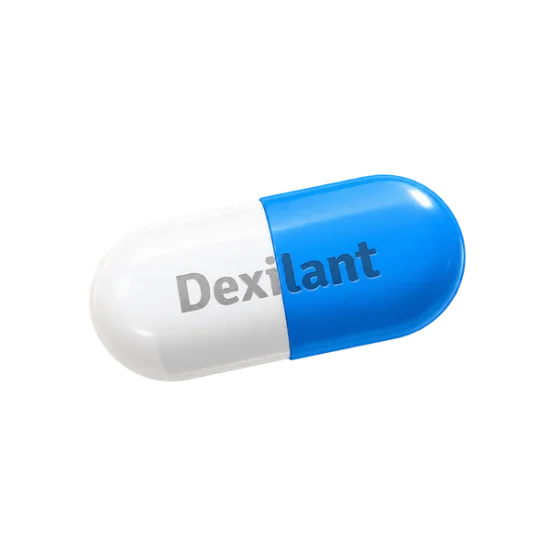
Dexilant contains dexlansoprazole, a proton pump inhibitor, commonly abbreviated to PPI. It is supplied as delayed-release capsules. Dexlansoprazole reduces gastric acid production by blocking the hydrogen-potassium ATPase enzyme, often called the proton pump, in stomach parietal cells.
The medicine is used for acid-related conditions such as:
- Healing erosive oesophagitis caused by reflux.
- Maintaining healing of erosive oesophagitis.
- Treating heartburn associated with gastro-oesophageal reflux disease.
- Reducing acid exposure when reflux symptoms recur.
The precise prescribed strength and treatment duration vary between patients, diagnoses and treatment goals. There is no single amount that suits everyone.
Uses
The medicine is used for acid-related conditions such as:
- Healing erosive oesophagitis caused by reflux.
- Maintaining healing of erosive oesophagitis.
- Treating heartburn associated with gastro-oesophageal reflux disease.
- Reducing acid exposure when reflux symptoms recur.
Pharmacological action
Dexlansoprazole is converted into active forms within the acidic environment of stomach parietal cells. These active forms bind to and inhibit the proton pump that secretes hydrochloric acid into the stomach.
Less acid can:
- Reduce irritation of inflamed oesophageal tissue.
- Help erosions heal.
- Decrease acid-related heartburn.
- Reduce the acidity of refluxed stomach contents.
The dual delayed-release system separates release into two phases. The first phase begins earlier, while the second phase extends acid suppression later in the day. This pharmacological design differentiates Dexilant from immediate-release antacid products, which neutralise acid already present in the stomach but do not block the proton pump.
A PPI also differs from an H2-receptor antagonist. H2 blockers reduce acid secretion through histamine-receptor inhibition, while dexlansoprazole acts directly on the final acid-secretion pathway. The choice depends on the diagnosis, symptom pattern, previous response and the duration of treatment required.
Clinical guidance from NICE supports acid suppression as part of management for gastro-oesophageal reflux disease and dyspepsia, with treatment intensity matched to symptoms and clinical findings [2]. The European Medicines Agency (EMA) also publishes safety information relevant to proton pump inhibitor use.
When not to use it
Dexilant is not suitable for everyone. It should not be used by a person with a known serious allergy to dexlansoprazole, other proton pump inhibitors or an excipient in the formulation.
Extra caution is needed in the following situations:
- Previous severe reaction to a proton pump inhibitor.
- Significant liver disease.
- Previous low magnesium.
- Osteoporosis or a history of fragility fractures.
- Long-term use of medicines that can also lower magnesium.
- Symptoms suggesting gastrointestinal bleeding.
- Unexplained weight loss, recurrent vomiting or progressive difficulty swallowing.
- Pregnancy or breastfeeding, where treatment choice should be individualised.
Dexlansoprazole can alter stomach acidity and affect the absorption of medicines that need an acidic environment. Interaction concerns also include some HIV medicines, methotrexate at high doses, warfarin and medicines metabolised through liver enzymes. The prescribed medicine list should be reviewed before treatment begins.
Clopidogrel deserves specific attention. Proton pump inhibitors may influence activation of some antiplatelet treatments, so the combination should be selected deliberately rather than added without review. Digoxin, tacrolimus and diuretics may also require attention when prolonged acid suppression or low magnesium is a concern.
The MHRA advises prompt assessment of alarm symptoms such as difficulty swallowing, gastrointestinal bleeding, persistent vomiting or unexplained weight loss, because these symptoms can signal a condition requiring investigation rather than simple acid suppression [3].
When this is not for you
NOT for you if you have a serious allergy to proton pump inhibitors, unexplained alarm symptoms or an unreviewed medicine interaction.
Adverse reactions
The most frequently reported unwanted effects with dexlansoprazole include headache, diarrhoea, abdominal pain, nausea, vomiting, flatulence and upper-respiratory symptoms. Many reactions are mild, but persistent or severe symptoms need clinical review. The FDA prescribing information also describes risks associated with longer-term proton pump inhibitor use .
Possible problems include:
- Diarrhoea or looser stools.
- Abdominal discomfort or bloating.
- Nausea.
- Headache.
- Constipation.
- Dizziness.
- Skin rash or itching.
- Changes in magnesium during prolonged treatment.
- Vitamin B12 deficiency with extended use in susceptible patients.
- Increased vulnerability to some gastrointestinal infections.
Watery diarrhoea that persists, especially with abdominal cramps or fever, may indicate a significant intestinal infection. Treatment-related kidney inflammation is uncommon but can occur without dramatic early symptoms. Reduced urine output, blood in the urine, marked tiredness or swelling should be assessed promptly.
A severe allergic reaction requires urgent help. Warning signs include facial or throat swelling, difficulty breathing, widespread blistering rash or faintness.
One practical detail is easy to miss: improvement in burning does not prove that an oesophageal erosion has healed. Symptom control and tissue healing can occur on different timelines.
What it contains
Dexilant contains dexlansoprazole, a proton pump inhibitor, commonly abbreviated to PPI. It is supplied as delayed-release capsules. Dexlansoprazole reduces gastric acid production by blocking the hydrogen-potassium ATPase enzyme, often called the proton pump, in stomach parietal cells.
The medicine is used for acid-related conditions such as:
- Healing erosive oesophagitis caused by reflux.
- Maintaining healing of erosive oesophagitis.
- Treating heartburn associated with gastro-oesophageal reflux disease.
- Reducing acid exposure when reflux symptoms recur.
The precise prescribed strength and treatment duration vary between patients, diagnoses and treatment goals. There is no single amount that suits everyone.
Dexilant capsules use delayed release. This means the medicine is released in stages rather than all at once, helping acid suppression continue after the first part of the dose has passed through the digestive tract. The product information describes dexlansoprazole as the active component responsible for this effect [1].
Dosage and administration
Dexilant is taken by mouth as a capsule. The prescriber selects the strength and duration according to the condition being treated, the severity of symptoms and the response to treatment.
- Take the prescribed dose at the scheduled time.
- Swallow the capsule whole with water.
- Do not chew or crush the capsule.
- Do not take additional capsules to compensate for missed doses.
- If a dose is missed, take it when remembered unless the next scheduled dose is close.
- When the next dose is near, skip the missed dose and return to the usual schedule.
- Do not double the next dose.
The capsule may be taken with or without food according to the product prescribing information. Swallowing it intact matters because opening, crushing or chewing the delayed-release system can change how dexlansoprazole reaches the stomach and intestine.
The length of treatment depends on whether Dexilant is being used to heal erosive oesophagitis, maintain healing or control reflux-related heartburn. Longer treatment requires periodic review because prolonged acid suppression can affect magnesium levels, vitamin B12 absorption and the risk of certain gastrointestinal infections.
Comparison
The most useful comparison is by mechanism rather than by brand name.
| Treatment approach | Main action | Typical role |
|---|---|---|
| Dexilant with dexlansoprazole | Blocks the stomach proton pump and provides delayed acid suppression | Reflux symptoms and healing or maintenance of erosive oesophagitis |
| H2-receptor antagonist | Reduces acid secretion through histamine-receptor blockade | Shorter or less intensive acid suppression in selected patients |
| Alginate or antacid | Neutralises acid or forms a barrier over stomach contents | Rapid, short-term relief of occasional symptoms |
Antacids and alginates can act more quickly for occasional burning, yet their effect is usually shorter. They do not heal oesophageal erosions through proton-pump inhibition.
H2-receptor antagonists may suit some people with intermittent symptoms, while a PPI is used when stronger or sustained acid suppression is clinically appropriate. Using more than one acid-reducing product should follow a defined treatment plan, since unnecessary duplication can increase exposure without adding useful benefit.
Dexilant is not intended to treat every cause of chest discomfort. Reflux can resemble heart-related pain, and new chest pressure, breathlessness, sweating or pain spreading to the arm or jaw needs urgent medical assessment.
Common mistakes
Several practical errors can reduce benefit or increase avoidable problems:
- Chewing or crushing the capsule.
- Taking extra doses after a missed dose.
- Stopping immediately when heartburn improves, despite a prescribed healing course.
- Treating every episode of chest pain as reflux.
- Combining several acid-reducing products without a clear reason.
- Ignoring persistent diarrhoea.
- Failing to mention supplements, antiplatelet treatment or anticoagulants.
- Using long-term treatment without periodic review.
- Expecting one dose to repair an irritated oesophagus instantly.
- Eating a large meal shortly before lying down and assuming the capsule will fully offset the trigger.
Weight reduction can help some adults with reflux, while smoking can worsen reflux-related symptoms and delay healing. Large late meals, lying flat soon after eating and foods that repeatedly trigger symptoms may also reduce comfort. Trigger patterns vary, so removing every food group is rarely necessary.
Raising the head end of the bed can help people whose symptoms worsen at night. Extra pillows alone may bend the body at the waist and increase abdominal pressure; a stable elevation of the upper body is more useful.
What doctors say
In clinical practice, doctors usually judge PPI treatment by two outcomes: whether symptoms settle and whether the underlying acid-related injury improves. Someone with frequent reflux may need structured treatment rather than repeated short courses taken only on the worst days.
A physician would also look for alarm symptoms before assuming that heartburn is uncomplicated reflux. Pain on swallowing, food sticking, vomiting blood, black stools, anaemia or unintentional weight loss changes the assessment.
The main advantages of Dexilant are sustained proton-pump inhibition, a delayed-release design and suitability for conditions requiring more than occasional neutralisation of acid. The limitations include delayed symptom relief for some episodes, possible digestive side effects and the need to review prolonged treatment.
Treatment may be stepped down after symptoms and erosive disease are controlled. Some patients need continuing therapy because symptoms return when acid suppression is reduced. The decision depends on recurrence, endoscopy findings, complications and the patient’s wider medical history.
Questions and answers
Which diet, exercise or habits can help or hinder Dexilant treatment?
Smaller meals, avoiding lying down soon after eating and reducing individually recognised triggers can support reflux control. Smoking, large late meals, excess alcohol and weight gain can worsen symptoms in some people. NICE reflux guidance published in 2019 supports lifestyle measures alongside acid suppression when they are relevant to the individual . Dexilant reduces acid production, but it cannot remove mechanical reflux caused by stomach pressure or lying flat after eating. A clinician can help identify which changes are most relevant to the individual.
Which condition rules out Dexilant?
A known serious allergy to dexlansoprazole or another proton pump inhibitor rules out treatment. Severe liver disease may require a different dose or treatment approach, while unexplained weight loss, bleeding, progressive swallowing difficulty and persistent vomiting require investigation rather than automatic continuation. MHRA safety information available before 2026 supports prompt clinical assessment of alarm symptoms. A person with these symptoms should receive an appropriate diagnostic assessment before relying on acid suppression.
Can the Dexilant capsule be split, crushed or chewed?
The capsule should be swallowed whole and should not be crushed or chewed because it uses delayed-release technology. The FDA prescribing information for Dexilant, revised in 2022, describes administration requirements designed to preserve the release pattern. Chewing may release the contents in the wrong part of the digestive tract and can reduce the intended duration of acid suppression. If swallowing is difficult, the prescriber can select a suitable administration option.
Can alcohol be used while taking Dexilant?
Alcohol does not directly deactivate dexlansoprazole, but it can worsen reflux by relaxing the lower oesophageal sphincter and irritating the upper digestive tract. Guidance from NHS clinical services in 2025 continues to treat alcohol reduction as a practical measure for people whose reflux follows drinking. Alcohol may also make it harder to identify whether persistent symptoms reflect reflux or another condition. If symptoms reliably worsen after alcohol, reducing or avoiding it gives a clearer test of the trigger.
How long does one Dexilant dose keep working?
Dexilant is designed for prolonged acid suppression across the day through two delayed-release phases. The FDA product information from 2022 describes pharmacodynamic activity that continues beyond the initial release of the capsule. Symptom improvement may be gradual, especially when the oesophagus is inflamed, and one dose does not guarantee immediate relief from a meal-related episode. The prescribed schedule should be followed rather than repeating a dose because symptoms have not disappeared quickly.
Do you offer anonymous delivery?
Your order will be securely packed and shipped within 24 hours. This is exactly what your package will look like (images of an actual item sent). It has the size and look of a regular private letter (24x11x0.7 cm) and its contents cannot be seen.
Comparison
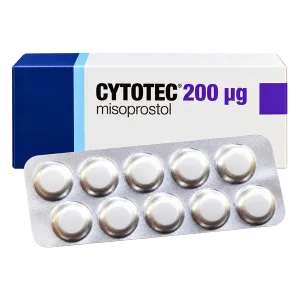
Cytotec
Dexilant Current
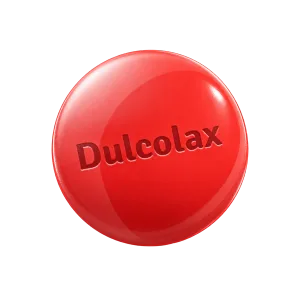
Dulcolax
Dexilant: What Customers Say
The first few days were not dramatic, but the throat irritation eased during the second week. I noticed loose stools and mentioned them at review; they settled after the treatment plan was adjusted.
Swallowing became easier and the chest burning improved. I was annoyed that I needed reminders to take the capsule and initially tried to chew it, which was corrected before I continued.
Sources
- U.S. Food and Drug Administration (2022). DEXILANT (dexlansoprazole) delayed-release capsules, prescribing information
- National Institute for Health and Care Excellence (2019). Gastro-oesophageal reflux disease and dyspepsia in adults: investigation and management
- Medicines and Healthcare products Regulatory Agency (2012). Drug Safety Update: Proton pump inhibitors in long-term use — reports of hypomagnesaemia