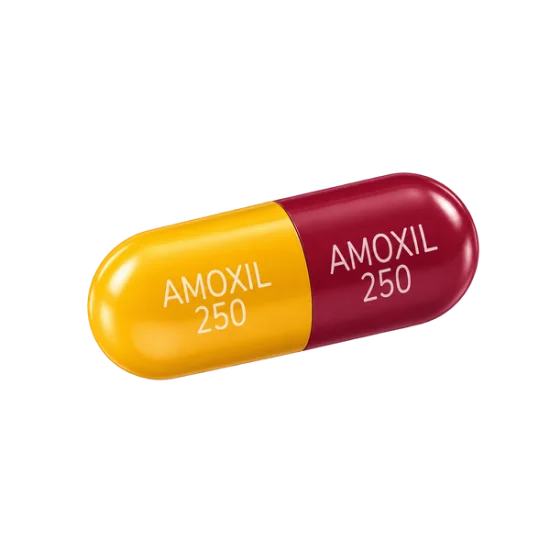
I was given Amoxil for a chest infection after a persistent cough and fever. The fever eased after a few days, but I had loose stools near the end. I finished the course and the stomach problem settled afterwards.
Amoxil contains amoxicillin, a prescription aminopenicillin antibiotic for selected bacterial infections of the throat, tonsils and middle ear. How much to use and how often depends on the purpose of treatment and is agreed with a doctor or pharmacist.
About this product
Amoxil contains amoxicillin, an aminopenicillin antibiotic in the beta-lactam class. Amoxicillin is a prescription antibacterial treatment, not a remedy for viral illnesses such as uncomplicated colds or influenza.
Uses
Amoxicillin may be prescribed for confirmed or strongly suspected bacterial infections of the throat, tonsils and middle ear. Examples include streptococcal throat infection, selected cases of tonsillitis and acute otitis media.
Antibiotics are not suitable for every sore throat or earache. Viral infections may produce similar symptoms but do not respond to amoxicillin. A clinician may consider examination findings, symptom severity, duration, local resistance information and risk factors before selecting treatment.
| Infection type | Typical clinical focus | Role of amoxicillin |
|---|---|---|
| Streptococcal throat infection | Sore throat, fever, swollen tonsils and tender neck glands | Treatment when a susceptible bacterial cause is likely or confirmed |
| Tonsillitis | Inflamed tonsils, sometimes with exudate or fever | Used in selected bacterial cases |
| Acute middle-ear infection | Ear pain, reduced hearing or fever | Considered when bacterial infection is diagnosed or strongly suspected |
The expected course depends on the condition. Some uncomplicated infections require a shorter course, while other infections need longer treatment or a different antibiotic. The prescribed duration should be completed unless a serious reaction develops or a prescriber changes the plan.
Amoxicillin can be used for selected acute bacterial sinus infections and lower respiratory tract infections when the suspected bacteria are susceptible. Acute bacterial sinusitis is more likely when symptoms are severe, persist without improvement or worsen after an initial period of recovery.
Amoxicillin is also used in combination treatment for Helicobacter pylori, a bacterium associated with peptic ulcer disease and some cases of chronic gastritis. It is not used alone for eradication.
Combination therapy usually includes an acid-suppressing medicine, such as a proton-pump inhibitor, together with one or more antibiotics selected according to treatment history and local resistance patterns. Lowering stomach acid supports healing and helps create conditions in which the antibacterial combination can work.
The regimen, dosing schedule and duration for Helicobacter pylori are different from those used for throat, ear or chest infections. A capsule strength suitable for one infection should not be repurposed for an ulcer-eradication course without a specific prescription.
The American College of Gastroenterology updated its Helicobacter pylori treatment guidance in 2024, with emphasis on resistance-aware treatment and confirmation of eradication after therapy [3].
Amoxicillin may reduce bacterial infection when the organism is sensitive. It cannot remove inflammation caused by allergy, smoke exposure or a viral illness.
NICE guidance for acute sinusitis stresses clinical assessment and antimicrobial stewardship, with antibiotics reserved for situations where their expected benefit outweighs their harms [2].

Pharmacological action
Amoxicillin is bactericidal against susceptible organisms. It interferes with peptidoglycan cross-linking, a final stage in bacterial cell-wall construction. Human cells do not have bacterial cell walls, which explains the drug’s selective antibacterial target.
The drug works best when the infecting organism is susceptible and enough antibiotic reaches the infected tissue.
When not to use it
Amoxil is NOT for you if you have previously had a serious immediate allergic reaction to amoxicillin, penicillin or another beta-lactam antibiotic. A previous episode of anaphylaxis, angioedema or severe bronchospasm after a penicillin requires a different treatment plan.
Extra caution is needed with:
- Previous antibiotic-associated colitis.
- Infectious mononucleosis, where amoxicillin commonly causes a widespread rash.
- Kidney disease.
- Liver disease or previous liver problems linked to antibiotics.
- A history of severe cutaneous drug reactions.
- Treatment with medicines that affect clotting or blood counts.
Amoxicillin may interact with warfarin and other anticoagulants by altering infection-related clotting control or, in some cases, affecting the international normalised ratio. Monitoring may be needed when these medicines are combined. It may also interact with methotrexate, increasing the risk of methotrexate toxicity.
Allopurinol may increase the chance of skin rash when taken with amoxicillin. Probenecid can reduce renal elimination of amoxicillin and increase exposure. These combinations require prescriber-led assessment.
When this is not for you
Amoxil is NOT for you if you have previously had a serious immediate allergic reaction to amoxicillin, penicillin or another beta-lactam antibiotic. Tell a clinician if you have kidney disease, liver disease, previous antibiotic-associated colitis or a history of severe cutaneous drug reactions.
Pregnancy and breastfeeding need individual assessment. Amoxicillin is widely used during pregnancy when treatment is clinically indicated, and small amounts pass into breast milk. The infant should be observed for diarrhoea, oral thrush or rash.
Adverse reactions
Common unwanted effects include nausea, loose stools, diarrhoea, stomach discomfort and skin rash. These effects are often mild, but persistent or severe diarrhoea can indicate antibiotic-associated colitis, including infection with Clostridioides difficile.
Allergic reactions can occur after one dose or after previous uneventful courses. Warning signs include widespread hives, swelling of the lips or tongue, wheezing, throat tightness, faintness or difficulty breathing. These symptoms require emergency treatment.
Other reactions needing prompt medical assessment include:
- Severe or blistering skin rash.
- Peeling skin or sores in the mouth or eyes.
- Yellowing of the skin or eyes.
- Dark urine with marked fatigue.
- Unusual bruising or bleeding.
- Seizures, especially in people with kidney impairment or excessive exposure.
A mild, limited rash is not always a true penicillin allergy, but it should still be assessed before another dose is taken. A rapidly spreading rash, facial swelling or breathing difficulty is a medical emergency.
One practical detail is easy to miss: diarrhoea can continue after the antibiotic course has ended. Blood, fever, severe abdominal pain or frequent watery stools need urgent medical review rather than self-treatment with anti-diarrhoeal medicines.
What it contains
Amoxil contains amoxicillin, an aminopenicillin antibiotic in the beta-lactam class. How much to use and how often depends on the purpose of treatment and is agreed with a doctor or pharmacist.
Amoxicillin acts against susceptible bacteria by binding to penicillin-binding proteins. These proteins help bacteria build and maintain their protective cell wall. When this process is disrupted, the bacterial cell becomes unstable and dies.
Amoxicillin is a prescription antibacterial treatment, not a remedy for viral illnesses such as uncomplicated colds or influenza. The Medicines and Healthcare products Regulatory Agency (MHRA) and European Medicines Agency (EMA) both recognise the need for antibiotic selection based on the likely organism, infection site and resistance pattern [1].
Dosage and administration
The amount and frequency of Amoxil depend on the purpose of treatment and are agreed with a doctor or pharmacist. How much to use and how often depends on the purpose of treatment and is agreed with a doctor or pharmacist.
Key administration points include:
- Take the capsules at evenly spaced times.
- Swallow with water.
- Amoxicillin may generally be taken with food or on an empty stomach.
- Complete the prescribed course unless a serious reaction occurs or a prescriber gives different instructions.
- If a dose is missed, take it when remembered unless the next dose is due soon.
- Do not double the next dose to compensate for a missed capsule.
- People with significant kidney impairment may need a different interval or dose.
Amoxicillin can be taken with meals when stomach upset occurs. Food does not usually prevent absorption, so using mealtimes can make the schedule easier to remember.
Do not open, chew or crush capsules unless a prescriber or pharmacist has given a specific alternative instruction. The capsule should be swallowed intact with sufficient water.
Comparison
Amoxicillin differs from:
- Phenoxymethylpenicillin, another penicillin often selected for susceptible streptococcal throat infections.
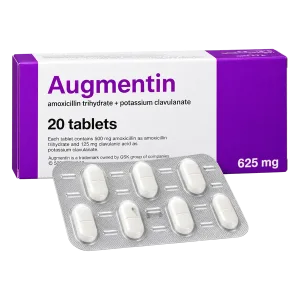
- Co-amoxiclav, which combines amoxicillin with clavulanic acid to inhibit some beta-lactamase enzymes.
- Macrolides, such as clarithromycin or azithromycin, which act on bacterial protein synthesis rather than cell-wall formation and may be chosen when a penicillin cannot be used.
The choice is not based only on a patient’s symptoms. Allergy history, previous antibiotic exposure, culture results, renal function and local resistance data can all change the preferred option.
The most suitable antibiotic depends on the bacteria and infection site. A broader spectrum does not automatically mean a better result.
| Treatment approach | Main pharmacological feature | Common selection consideration |
|---|---|---|
| Amoxicillin | Aminopenicillin that inhibits bacterial cell-wall synthesis | Suitable when likely bacteria are susceptible |
| Phenoxymethylpenicillin | Narrower-spectrum penicillin | Often preferred for susceptible streptococcal throat infection |
| Co-amoxiclav | Amoxicillin combined with a beta-lactamase inhibitor | Considered when beta-lactamase-producing bacteria are suspected |
| Macrolide antibiotic | Blocks bacterial protein synthesis | May be considered for selected penicillin-allergic patients |
A narrower antibiotic can reduce unnecessary exposure to other bacterial species. A broader combination may be chosen when resistance or a mixed infection is a concern. The decision should follow the infection diagnosis rather than the perceived strength of a brand or capsule.
Common mistakes
Several practical errors can reduce the value of treatment:
- Taking capsules only when symptoms feel worse.
- Stopping as soon as fever or pain improves.
- Doubling a missed dose.
- Using capsules prescribed for another person.
- Treating a cold, influenza or most uncomplicated viral coughs with an antibiotic.
- Failing to mention a previous penicillin reaction.
- Ignoring severe diarrhoea after treatment.
- Taking leftover capsules for a new infection.
- Assuming a rash is harmless without considering its speed, extent and associated symptoms.
- Forgetting to mention warfarin, methotrexate or allopurinol.
Amoxicillin does not treat viruses. Antibiotic exposure without a bacterial indication can cause adverse effects and encourages resistant organisms without improving recovery.
What doctors say
In clinical practice, prescribers usually focus on three points: whether the illness is bacterial, whether the organism is likely to respond to amoxicillin and whether the patient can take a penicillin safely. A familiar drug is not automatically the right drug for every infection.
Doctors also look for treatment failure. Fever that persists, worsening pain, new breathlessness or deterioration after initial improvement may indicate resistance, an abscess, an incorrect diagnosis or a complication. Increasing the dose without reassessment is not a reliable solution.
A patient who has stopped early because symptoms improved may still have viable bacteria. The opposite mistake also occurs: continuing capsules despite a serious rash or breathing difficulty can be dangerous. The correct response depends on the symptom pattern.
The WHO AWaRe antibiotic book places amoxicillin within antibiotic stewardship principles that aim to preserve antibiotic activity while treating infections appropriately [4].
Questions and answers
What happens if Amoxil is stopped, and does it need tapering?
Amoxicillin does not require gradual dose reduction. It is an antibiotic, not a corticosteroid or antidepressant, so tapering is not normally used; NHS antimicrobial guidance and the MHRA (2025) emphasise taking antibiotics as prescribed, while early stopping can leave infection incompletely treated and may require reassessment [5].
If a serious allergic reaction develops, the medicine should not be continued while waiting to finish the course. A prescriber can select an alternative treatment. Stopping because of mild nausea is different from stopping because of breathing difficulty, facial swelling or a blistering rash.
Can Amoxil be taken with food or on an empty stomach?
Amoxicillin capsules can generally be taken with food or between meals. Taking a capsule with a meal may reduce nausea and can help anchor doses to a daily routine. Food does not usually prevent amoxicillin from working, unlike some medicines whose absorption is strongly affected by meals.
The key issue is keeping doses evenly spaced; the NHS (2025) advises following the prescribed schedule rather than taking extra capsules after a missed dose. Alcohol does not directly inactivate amoxicillin, but it may worsen nausea, dizziness or dehydration during an infection.
Can Amoxil be used during pregnancy and breastfeeding?
Amoxicillin may be prescribed during pregnancy when a bacterial infection requires treatment. UKTIS and NHS (2025) pregnancy-medicine information describe penicillin antibiotics as commonly used when clinically indicated, with the choice based on the infection and the patient’s history.
Small amounts of amoxicillin can enter breast milk. Most breastfed infants do not develop problems, although diarrhoea, thrush or rash can occur and should be reported. A penicillin allergy in the mother remains relevant during pregnancy and breastfeeding.
Does Amoxil cause diarrhoea?
Diarrhoea is a recognised adverse effect of amoxicillin. It may be mild and temporary, but severe, persistent or bloody diarrhoea can signal antibiotic-associated colitis and needs urgent medical assessment. The FDA (2023) prescribing information for amoxicillin describes diarrhoea and hypersensitivity reactions among clinically significant safety concerns.
Do not use anti-diarrhoeal treatment for severe diarrhoea without medical advice. Drink enough fluid unless a medical condition requires fluid restriction. Abdominal pain, fever or blood in the stool increases the need for prompt assessment.
How does Amoxil differ from phenoxymethylpenicillin?
Both medicines are penicillin antibiotics and both interfere with bacterial cell-wall construction. Phenoxymethylpenicillin has a narrower antibacterial spectrum and is often selected for susceptible streptococcal throat infections, while amoxicillin is used for a broader range of susceptible infections.
The best choice depends on the suspected organism, infection site, allergy history and local guidance. Amoxicillin is not automatically preferable because it covers more organisms. NICE (2025) antimicrobial guidance supports choosing the narrowest suitable antibiotic when clinical circumstances allow.
Do you offer anonymous delivery?
Your order will be securely packed and shipped within 24 hours. This is exactly what your package will look like (images of an actual item sent). It has the size and look of a regular private letter (24x11x0.7 cm) and its contents cannot be seen.
Comparison
Amoxil Current
Ampicillin
Augmentin
Bactrim
Ciplox
Amoxil: What Customers Say
I used it for a dental infection. The pain started improving within a couple of days alongside dental treatment. I found the capsules easy to swallow, although taking doses at work required reminders.
I stopped after feeling better and the symptoms returned two days later. The dentist explained that I should not have changed the course myself. I needed another assessment rather than simply restarting the remaining capsules.
Sources
- U.S. Food and Drug Administration (2023). Amoxil (amoxicillin) capsules and tablets prescribing information.
- National Institute for Health and Care Excellence (2025). Sinusitis (acute): antimicrobial prescribing, NICE guideline NG79.
- American College of Gastroenterology (2024). ACG Clinical Guideline: Treatment of Helicobacter pylori Infection.
- World Health Organization (2022). The WHO AWaRe Antibiotic Book: Antibiotic Treatment Guidance for Common Infections.
- NHS (2025). Antibiotics — common questions and advice on taking antibiotics.