Stephen, 45 - Newcastle upon Tyne, reported taking the prescribed ciprofloxacin tablets at the prescribed dose for the prescribed duration for a urinary infection. He noticed less burning after several days, but the first two doses caused nausea when taken before breakfast. Taking them with water and a light non-dairy meal made the stomach upset easier to manage.
Ciplox is intended for adults with a confirmed or strongly suspected bacterial infection that requires oral fluoroquinolone treatment. Ciprofloxacin blocks bacterial DNA replication, helping control susceptible infections when this antibiotic is clinically appropriate.
About this product
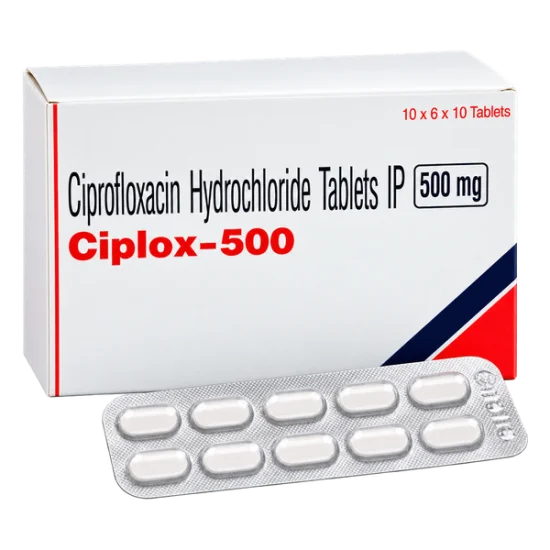
Ciplox is intended for adults with a confirmed or strongly suspected bacterial infection that requires oral fluoroquinolone treatment. Ciplox tablets are identified as containing ciprofloxacin hydrochloride. Ciprofloxacin belongs to the fluoroquinolone class of antibiotics.
Uses
Ciprofloxacin may be selected for susceptible bacterial infections such as:
- Complicated urinary tract infections and selected kidney infections.
- Certain bacterial gastrointestinal infections.
- Some lower respiratory infections when recommended alternatives are unsuitable.
- Selected skin, bone, joint, or intra-abdominal infections.
- Specific infections caused by organisms with documented ciprofloxacin susceptibility.
The MHRA has issued safety advice restricting fluoroquinolone use to situations where other commonly recommended antibiotics are unsuitable because of potentially long-lasting adverse effects [2]. This makes accurate diagnosis and prescribed dosing central to safe treatment.
Pharmacological action
Ciprofloxacin inhibits bacterial DNA gyrase and topoisomerase IV. These enzymes help bacteria copy and repair their genetic material. Blocking them stops bacterial multiplication and can lead to bacterial cell death.
When not to use it
Ciplox is not suitable for everyone. The treatment requires a careful review of medical history and concurrent medicines.
- You have previously had a serious allergic reaction to ciprofloxacin or another quinolone.
- You are taking tizanidine, because ciprofloxacin can markedly increase tizanidine exposure.
- You have active tendon pain or a previous serious tendon reaction linked to a quinolone, unless a specialist has made a clear treatment decision.
- You have a known heart-rhythm disorder or take several medicines that prolong the QT interval without medical review.
- You have myasthenia gravis, where muscle weakness can worsen.
- You have significant kidney disease and the dose has not been adjusted.
- You are pregnant or breastfeeding without a prescriber’s assessment.
- You are a child or adolescent unless ciprofloxacin has been specifically prescribed for an accepted indication.
Extra caution applies with corticosteroids because the combination can increase the risk of tendon injury. The risk may also rise with older age, kidney impairment, strenuous physical activity, previous tendon disorders, and organ transplantation.
Important interactions include warfarin, theophylline, some medicines for heart rhythm, certain antidepressants, antipsychotics, diabetes medicines, methotrexate, ciclosporin, and medicines or supplements containing polyvalent minerals.
When this is not for you
Ciplox is not for you if:
- You have previously had a serious allergic reaction to ciprofloxacin or another quinolone.
- You are taking tizanidine.
- You have active tendon pain or had a serious tendon reaction after a quinolone.
- You have a heart-rhythm problem or take medicines that affect the QT interval without medical review.
- You have myasthenia gravis.
- You have significant kidney disease and your dose has not been checked.
- You are pregnant or breastfeeding without speaking to a prescriber.
- You are a child or adolescent unless a clinician has specifically prescribed ciprofloxacin.
Adverse reactions
Common reactions to oral ciprofloxacin include nausea, diarrhoea, abdominal discomfort, headache, dizziness, sleep disturbance, and changes in taste. Many are mild, but the fluoroquinolone class has uncommon reactions that require prompt action.
Possible reactions include:
- Tendon pain or swelling, especially around the Achilles tendon.
- Muscle weakness, joint pain, or difficulty walking.
- Tingling, burning, numbness, or altered sensation.
- Anxiety, agitation, confusion, vivid dreams, or severe insomnia.
- Palpitations or fainting in people vulnerable to heart-rhythm disturbances.
- Severe or persistent diarrhoea, including diarrhoea that begins after treatment.
- Rash, facial swelling, breathing difficulty, or other allergic symptoms.
- Blood-glucose changes in people using diabetes treatment.
Dizziness can affect balance and concentration. A bitter taste may occur with oral medicines, although a strong persistent taste can also reflect reflux, dry mouth, or another cause. Ciprofloxacin eye or ear formulations can produce local sensory effects, but those formulations have separate dosing and safety instructions.
Antibiotic-associated diarrhoea deserves attention. Mild loose stools may occur, but frequent watery diarrhoea, blood, fever, or significant abdominal pain needs prompt medical assessment because Clostridioides difficile infection can follow antibiotic exposure [4].
Sun sensitivity is also possible. Protect exposed skin from strong sunlight and avoid deliberate tanning during treatment if the skin becomes unusually reactive.
What it contains
Ciplox tablets contain ciprofloxacin hydrochloride. Ciprofloxacin belongs to the fluoroquinolone class of antibiotics. It is used against selected bacterial infections affecting the urinary tract, respiratory system, gastrointestinal tract, skin, bones, joints, and other tissues when the causative bacteria are susceptible [1].
The choice of ciprofloxacin depends on the infection, local resistance patterns, previous microbiology results, kidney function, age, and other medicines. It is not suitable for every infection. Viral illnesses such as uncomplicated colds and influenza do not respond to antibiotics. Prescribing should also account for previous adverse reactions and the need for culture testing. A clinician can then weigh expected benefit against fluoroquinolone-specific risks.
Active ingredient mechanism
Ciprofloxacin inhibits bacterial DNA gyrase and topoisomerase IV. These enzymes help bacteria copy and repair their genetic material. Blocking them stops bacterial multiplication and can lead to bacterial cell death.
The antibiotic reaches several body tissues after oral administration. Its activity depends on the susceptibility of the organism and the concentration achieved at the infection site. A culture and sensitivity test can guide treatment when the infection is recurrent, severe, resistant, or difficult to classify.
One practical detail is easy to miss: milk or yoghurt taken alone with the tablet may also interfere with absorption. Dairy foods can remain part of the diet, but they should not be used as the liquid or main accompaniment for the dose.

Dosage and administration
Ciplox is supplied here as oral tablets. Oral ciprofloxacin requires a treatment decision based on the infection and the patient’s clinical history. Eye and ear infections require products formulated and authorised for those routes, with dosing that cannot be transferred from oral tablets.
Treatment duration varies with the infection and response. The tablet strength does not mean that every patient should take the same number of tablets or use the same treatment length. Kidney function, infection severity, age, and interacting medicines all influence prescribing.
Dosing differs between strengths and between users, so there is no single amount that suits everyone. The prescriber selects the dose and duration for the diagnosed infection, kidney function, age, and susceptibility results.
Typical administration principles include:
- Take the prescribed tablet at evenly spaced times.
- Swallow it whole with a full glass of water.
- Take it with or without a meal, while avoiding dairy as the main accompaniment.
- Separate it from antacids, iron, calcium, magnesium, aluminium, and zinc products according to the prescriber’s instructions.
- Complete the prescribed course unless a serious reaction requires urgent medical assessment.
- Take a missed dose when remembered unless the next dose is due soon.
- Do not double the next dose to compensate for a missed tablet.
Fluids are useful during treatment, especially when nausea, diarrhoea, fever, or urinary symptoms are present. People with kidney disease may need a different regimen because ciprofloxacin is cleared partly through the kidneys.
A ciprofloxacin tablet should not be crushed or chewed unless a prescriber has given a specific reason and suitable instructions. Swallowing it whole helps maintain the intended oral administration and avoids an unpleasant taste.
Comparison
The most suitable antimicrobial approach depends on the bacteria, infection site, resistance risk, and patient factors. Ciprofloxacin is one option within a wider treatment framework.
| Treatment approach | Main clinical distinction | Key limitation |
|---|---|---|
| Oral ciprofloxacin | Fluoroquinolone action against susceptible bacteria in several body systems | Fluoroquinolone-related tendon, nerve, mental-health, and heart-rhythm warnings |
| Narrow-spectrum antibiotic | Targets a more limited group of bacteria | May be unsuitable if the organism is resistant or not yet identified |
| Culture-directed treatment | Uses laboratory susceptibility results to select therapy | Results can take time and may require a sample before treatment |
Ciprofloxacin may be useful when the suspected organism is susceptible and other choices are unsuitable. A narrow-spectrum antibiotic is often preferred when it reliably covers the identified pathogen, since narrower treatment can reduce unnecessary exposure to broader antibacterial activity.
Laboratory testing becomes more valuable when symptoms recur, treatment has failed, the infection is severe, or resistant bacteria are suspected. The WHO categorises antibiotics according to their clinical importance and stewardship priorities, supporting selection that matches the infection rather than routine use of broad-spectrum agents [3].
Common mistakes
Several practical errors can reduce treatment reliability or increase adverse effects:
- Taking the tablet with a mineral supplement or antacid.
- Using milk or yoghurt as the main liquid for the dose.
- Stopping as soon as symptoms improve without a clinical reason.
- Doubling a dose after forgetting one.
- Continuing strenuous running or heavy lifting after tendon pain begins.
- Ignoring numbness, burning, weakness, severe insomnia, or unusual agitation.
- Taking leftover antibiotics for a new illness.
- Assuming ciprofloxacin treats viral respiratory symptoms.
- Failing to mention warfarin, theophylline, steroid treatment, or diabetes medicines.
- Driving after dizziness or visual disturbance has developed.
A further mistake is treating an absent early improvement as proof that more tablets are needed. Escalating the dose without assessment can increase harm while leaving the infection untreated.
What doctors say
In clinical practice, physicians usually reserve ciprofloxacin for infections where its activity is justified by the likely organism, culture result, or limited suitability of alternatives. The main benefit is useful antibacterial coverage in selected infections. The trade-off is a distinctive safety profile that includes tendon injury, peripheral neuropathy, mental-health effects, and rhythm disturbance.
A doctor will usually ask about recent antibiotics, kidney function, allergies, tendon symptoms, neurological symptoms, and medicines that affect the heart rhythm. The same review helps identify avoidable interactions before treatment begins.
Treatment response depends on the infection, not only on the antibiotic. Fever may settle before local symptoms disappear. Persistent fever, worsening pain, new swelling, breathing difficulty, or deteriorating urinary symptoms can indicate resistance, an abscess, an incorrect diagnosis, or a complication.
The EMA fluoroquinolone safety review strengthened warnings about disabling and potentially long-lasting reactions, so new tendon, nerve, or severe mental-health symptoms should not be ignored [5].
Questions and answers
Which symptoms mean stopping Ciplox and seeking urgent medical help?
Sudden tendon pain, swelling, a snapping sensation, severe muscle weakness, numbness, facial swelling, breathing difficulty, fainting, or severe mental changes require urgent medical assessment. Persistent watery or bloody diarrhoea also needs prompt review. FDA safety information updated in 2024 describes serious fluoroquinolone reactions affecting tendons, nerves, muscles, and the central nervous system. Do not take another dose until urgent medical advice has addressed a suspected serious reaction.
How soon does Ciplox usually become noticeable?
Symptoms may begin to improve within a few days when the bacteria are susceptible and the diagnosis is correct. The timeline varies with the infection site, severity, immune response, and kidney function. NHS antimicrobial guidance reviewed in 2024 advises reassessment when symptoms worsen or fail to improve within the expected clinical period. Ciplox should not be increased or extended without a prescribing decision.
What should I do if the expected result does not come?
Contact the prescribing service if symptoms worsen, new fever develops, pain spreads, or there is no meaningful improvement during the expected treatment period. A clinician may need a urine, wound, stool, or other sample to identify the organism and test antibiotic susceptibility. NICE antimicrobial guidance published in 2024 supports reassessment when treatment failure suggests resistance, a complication, or an alternative diagnosis. Do not use leftover antibiotics or add another antimicrobial independently.
Can I drive, concentrate, or work with machinery while taking Ciplox?
Ciprofloxacin can cause dizziness, tremor, drowsiness, visual disturbance, anxiety, or sleep problems in some people. MHRA safety information available in 2024 advises caution with activities requiring alertness when these reactions occur. Avoid driving, climbing, or operating machinery until you know how the tablets affect you. Alcohol can worsen dizziness or poor concentration even though it does not create the principal absorption interaction.
Can Ciplox be taken with food or on an empty stomach?
Ciprofloxacin can generally be taken with or without food, but dairy should not be the main accompaniment because calcium can reduce absorption. Antacids and mineral supplements containing iron, zinc, magnesium, aluminium, or calcium also need separation. The FDA prescribing information reviewed in 2024 gives specific administration guidance for these interactions. Water is the most suitable drink for the tablet.
Do you offer anonymous delivery?
Your order will be securely packed and shipped within 24 hours. This is exactly what your package will look like (images of an actual item sent). It has the size and look of a regular private letter (24x11x0.7 cm) and its contents cannot be seen.
Comparison
Amoxil
Ampicillin
Augmentin
Bactrim
Ciplox Current
Prolonged corticosteroid treatment and Ciplox
Steroid-related risks apply to combination products containing a corticosteroid, not to the ciprofloxacin tablet itself. Corticosteroid treatment can raise intraocular pressure and contribute to glaucoma when used in the eye for too long or without monitoring.
Long-term self-medication with steroid-containing eye or ear preparations can also delay recognition of fungal infection, mask worsening inflammation, and increase the risk of secondary infection. Eye pain, visual halos, blurred vision, severe light sensitivity, or worsening discharge needs urgent assessment.
Oral Ciplox should not be substituted for a topical antibiotic-steroid formulation, and topical products should not be used as a replacement for prescribed systemic treatment. The route, concentration, and clinical purpose differ.
Ciplox: What Customers Say
Claire, 42 - Cambridge, said the treatment helped her gastrointestinal infection after taking it at the prescribed dose for the prescribed duration, though she developed loose stools near the end of the course. She had not realised that iron tablets could interfere with ciprofloxacin and changed the timing after receiving advice.
Jack H., 56 - Bournemouth, stopped the prescribed dose after developing Achilles tendon soreness during the treatment duration and contacted a clinician the same day. The infection symptoms had improved, but he was frustrated that he could not return to his usual walking routine immediately.
Wendy, 59 - Nottingham, described dizziness and poor sleep during the first few days of treatment at the prescribed dose and duration. She avoided driving until the symptoms settled and found the course manageable after medical review, although she would have preferred an alternative if one had been suitable.
Adam, 37 - Cardiff, completed the prescribed course at the prescribed dose and duration without major problems and felt his symptoms had settled gradually rather than after the first tablet. He said the most useful practical point was separating ciprofloxacin from his mineral supplement.
Sources
- FDA (2024). Ciprofloxacin Tablets, Prescribing Information.
- MHRA (2024). Fluoroquinolone Antibiotics: Must Now Only Be Prescribed When Other Commonly Recommended Antibiotics Are Inappropriate.
- WHO (2022). The WHO AWaRe (Access, Watch, Reserve) antibiotic book.
- NICE (2019). Clostridioides difficile Infection: Antimicrobial Prescribing.
- EMA (2018). Quinolone- and Fluoroquinolone-Containing Medicinal Products: Disabling and Potentially Permanent Side Effects Lead to Suspension or Restrictions of Use.