Stephen, 35 - Coventry, took the prescribed morning dose for several months and reported steadier readings. He also noticed increased hunger and gained weight, so his diabetes review focused on meal planning and treatment alternatives.
Amaryl supports blood-glucose control in adults with type 2 diabetes when diet and physical activity alone are insufficient. Its active ingredient, glimepiride, belongs to the sulfonylurea class and stimulates insulin release from the pancreas.
About this product
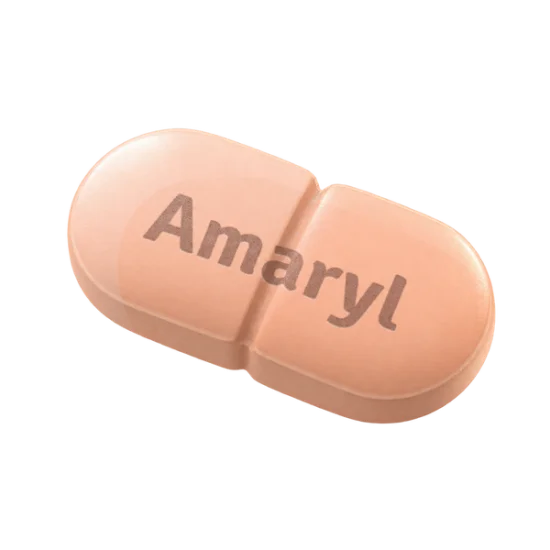
Amaryl is an oral second-generation sulfonylurea medicine for adults with type 2 diabetes. Its active ingredient is glimepiride, which stimulates insulin release from the pancreas.
Uses
Amaryl supports blood-glucose control in adults with type 2 diabetes when diet and physical activity alone are insufficient.
Amaryl is generally considered when insulin production is still present but does not adequately control glucose. It may be used alone or within a treatment plan containing other glucose-lowering medicines.
Pharmacological action
Glimepiride increases insulin secretion from functioning pancreatic beta cells. Insulin then helps glucose move from the bloodstream into muscle and fat cells, while also reducing glucose release by the liver. The result is lower blood glucose, provided the pancreas can still produce insulin.
Sulfonylureas act on pancreatic potassium channels. This changes the electrical activity of beta cells and triggers insulin secretion.
When not to use it
The following situations require specific assessment before treatment:
- Severe kidney impairment
- Significant liver disease
- A history of recurrent or unrecognised hypoglycaemia
- Very irregular meals or prolonged fasting
- Glucose-6-phosphate dehydrogenase deficiency
- Previous haemolytic anaemia
- Pregnancy or planned pregnancy
- Breastfeeding
- Allergy to glimepiride or relevant excipients
A sulfa allergy needs careful discussion, but it does not automatically prove allergy to every sulfonylurea. Sulfonamide antibiotics and sulfonylureas share a chemical feature, while their complete molecular structures differ. A previous severe reaction, such as anaphylaxis or Stevens–Johnson syndrome, requires a much more cautious assessment than a mild non-specific rash.
Specific interaction risks include insulin, other hypoglycaemic medicines, some antibiotics, anticoagulants, corticosteroids, beta-blockers, and medicines that alter liver enzyme activity.
When this is not for you
Amaryl may not be suitable if you have severe kidney or liver problems, repeated or unnoticed low blood sugar, very irregular meals, glucose-6-phosphate dehydrogenase deficiency, or a previous serious reaction to glimepiride or a related medicine. Pregnancy, planned pregnancy, and breastfeeding require an early treatment review. Seek urgent help for facial swelling, breathing difficulty, a widespread blistering rash, collapse, or severe confusion.
Adverse reactions
Glimepiride is tolerated by many adults, though mild reactions can occur during treatment initiation or after a dose increase. The most relevant symptoms include:
- Dizziness or light-headedness
- Headache
- Nausea or stomach discomfort
- Weakness or tiredness
- Increased appetite
- Gradual weight gain
- Visual disturbance linked to changing glucose levels
Dizziness, weakness, sweating, and headache may represent mild hypoglycaemia rather than a direct medicine reaction. This distinction matters because the immediate response is different: the person needs a rapid source of glucose and reassessment, not simply rest.
Nausea may improve as the body adjusts, but persistent vomiting can cause dehydration and disrupt diabetes control. Weight gain reflects increased insulin activity and improved glucose utilisation; it can become clinically relevant when it affects blood pressure, mobility, or glycated haemoglobin targets.
Hypoglycaemia is the principal serious risk associated with glimepiride. It can develop after a missed meal, increased exercise, alcohol use, reduced kidney function, an excessive dose, or combination treatment with insulin or another glucose-lowering medicine.
Early symptoms include:
- Sweating
- Trembling
- Palpitations
- Hunger
- Tingling around the mouth
- Irritability or anxiety
- Dizziness
- Blurred vision
- Difficulty concentrating
More severe hypoglycaemia can cause confusion, unusual behaviour, seizures, loss of consciousness, coma, and injury. A person who is unconscious or unable to swallow needs emergency assistance; food or drink must not be placed in the mouth.
Rare blood disorders can occur, including haemolytic anaemia, especially in people with glucose-6-phosphate dehydrogenase deficiency. Possible signs include unusual tiredness, pale skin, yellowing of the eyes, dark urine, breathlessness, or a rapid heartbeat. Glimepiride has also been associated with liver injury and elevated liver enzymes, though clinically significant hepatic reactions are uncommon.
The MHRA advises clinicians to treat unexplained neurological symptoms, severe allergic reactions, marked jaundice, and suspected severe hypoglycaemia as urgent problems rather than waiting for a routine appointment [1].

What it contains
Amaryl contains glimepiride, an oral second-generation sulfonylurea used in diabetes medications for adults with type 2 diabetes. It is taken as pills and works by encouraging pancreatic beta cells to release more insulin when blood glucose is elevated. Glimepiride is not used to treat type 1 diabetes or diabetic ketoacidosis.
Sulfonylureas act on pancreatic potassium channels. This changes the electrical activity of beta cells and triggers insulin secretion. The response can continue even when food intake is reduced, which explains why low blood sugar is the main safety concern.
Amaryl is generally considered when insulin production is still present but does not adequately control glucose. It may be used alone or within a treatment plan containing other glucose-lowering medicines. The product’s dose is decided individually, taking age, other medicines and health conditions into account.
A practical detail is easy to miss: glimepiride does not replace dietary carbohydrate completely. Skipping breakfast or eating substantially less while taking the usual dose can produce shakiness, sweating, blurred vision, or sudden weakness.
Dosage and administration
The dose is individualised. Age, kidney function, liver function, other medicines, eating patterns, and glucose readings all influence the prescribed amount.
- Take the prescribed amount with the first substantial meal of the day, unless the prescriber gives different instructions.
- Swallow the pill with water.
- Do not take extra glimepiride to compensate for a high glucose reading.
- Do not double the next dose after a missed dose.
- If a dose is missed and remembered near the next meal, follow the missed-dose plan supplied by the prescriber rather than taking two doses together.
- Maintain a regular pattern of meals and carbohydrate intake.
- Check blood glucose as directed, especially after treatment changes, illness, reduced food intake, or unusual physical activity.
The treatment duration depends on the person’s diabetes control and the response seen in blood tests. Type 2 diabetes treatment is commonly long term, with periodic review rather than a fixed short course.
Physical activity can lower glucose for several hours after exercise. A long walk, gardening session, or unplanned sports activity may therefore require closer glucose monitoring, especially during the first weeks of treatment.
Comparison
| Treatment approach | Main action | Main limitation |
|---|---|---|
| Glimepiride | Stimulates pancreatic insulin release | Hypoglycaemia and possible weight gain |
| Insulin therapy | Replaces or supplements insulin directly | Hypoglycaemia, injection burden, dose complexity |
| Insulin-sensitising therapy | Improves tissue response to existing insulin | Gastrointestinal effects or other class-specific restrictions |
Common mistakes
Several patterns repeatedly lead to poor glucose control or avoidable adverse effects:
- Taking the pill without eating the planned meal
- Doubling a dose after a missed tablet
- Treating every high reading with an extra dose
- Ignoring recurring sweating, shaking, or confusion
- Drinking alcohol while eating very little
- Failing to mention over-the-counter medicines or supplements
- Assuming kidney function stays unchanged
- Driving after a suspected low-glucose episode without recovery
- Stopping treatment abruptly without an alternative glucose plan
- Using someone else’s glucose meter results to alter the dose
A person who has repeated low readings should not simply reduce food intake to lose weight while continuing the same dose. The safer response is a structured review of the medicine, meals, activity, and renal function.
What doctors say
Clinicians usually judge Amaryl by both glucose reduction and the pattern of low-glucose episodes. A lower glucose reading is not a treatment success if it is achieved through repeated symptomatic hypoglycaemia.
Prescribers also look beyond the pill. Meal regularity, alcohol intake, renal function, physical activity, and the person’s ability to recognise low glucose can change the risk profile within days.
One clinical detail deserves attention: a stable dose can become too strong after an acute illness that reduces appetite or causes vomiting. Treatment review is needed when food intake changes substantially.
The World Health Organization recognises sulfonylureas as established glucose-lowering options, while its guidance stresses individualised selection and monitoring of adverse effects [2]. Long-term use can be acceptable when glucose control is appropriate and hypoglycaemia remains manageable.
Questions and answers
How long does one dose of Amaryl keep working?
A single dose can influence insulin release across much of the day, which is why Amaryl is commonly administered once daily. The duration varies with the prescribed strength, kidney and liver function, meal timing, and other glucose-lowering medicines. FDA prescribing information describes glimepiride as a medicine whose glucose-lowering effect continues beyond the immediate post-dose period. The 2019 FDA product information remains the relevant regulatory reference for this pharmacology.
How soon does the glucose-lowering effect become noticeable?
Glimepiride can begin stimulating insulin release after administration, while the full treatment response is assessed through repeated glucose readings and glycated haemoglobin rather than one measurement. Some people notice lower readings within days, although treatment review commonly needs several weeks of consistent use. NICE guidance published in 2022 supports using ongoing glucose measurements and HbA1c to assess response. A sudden low reading is a safety event, not proof that the long-term dose is correct.
Which condition rules out Amaryl completely?
Type 1 diabetes and diabetic ketoacidosis rule out Amaryl because glimepiride cannot replace the insulin required in those emergencies. Diabetic coma or pre-coma also requires urgent hospital treatment rather than an oral sulfonylurea. The 2023 MHRA medicine information identifies these situations as contraindications. Severe previous hypersensitivity to glimepiride or a related sulfonylurea also prevents use.
Can Amaryl be combined with insulin or supplements?
Amaryl can be combined with insulin in selected treatment plans, but the combination increases hypoglycaemia risk and requires dose adjustment. Supplements that affect glucose, appetite, liver metabolism, or blood clotting can also complicate treatment, even when they are sold without prescription. WHO diabetes guidance from 2023 supports reviewing all medicines and products used for glucose control. A supplement should never be added to the regimen without considering its effect on blood glucose.
Is Amaryl suitable during pregnancy or breastfeeding?
Glimepiride is generally not preferred during pregnancy because reliable maternal glucose control is essential and insulin is commonly selected when medication is required. The FDA product information advises careful consideration of neonatal and maternal risks associated with sulfonylurea exposure. The 2019 FDA reference also advises caution during breastfeeding because medicine exposure through milk and infant glucose effects require assessment. Planned pregnancy should trigger an early treatment review rather than abrupt discontinuation.
Which symptoms mean stopping Amaryl and seeking urgent medical help?
Urgent help is needed for unconsciousness, seizures, severe confusion, inability to swallow, breathing difficulty, facial swelling, or a rapidly spreading blistering rash. Yellow skin, dark urine, marked pallor, or severe weakness may indicate liver injury or haemolytic anaemia and also require prompt assessment. The 2023 MHRA safety information treats severe hypoglycaemia and serious hypersensitivity as urgent clinical problems. Do not give food or drink to someone who is unconscious or having a seizure.
How long does treatment last, and is long-term use acceptable?
Amaryl may be continued long term when it controls glucose without unacceptable hypoglycaemia, weight gain, or organ-related concerns. Type 2 diabetes changes over time, so the treatment plan may need adjustment as pancreatic insulin production declines or other illnesses develop. NICE guidance from 2022 recommends regular HbA1c and medication reviews rather than a fixed universal course length. Long-term use is acceptable only when ongoing monitoring shows that the balance remains suitable.
Do you offer anonymous delivery?
Your order will be securely packed and shipped within 24 hours. This is exactly what your package will look like (images of an actual item sent). It has the size and look of a regular private letter (24x11x0.7 cm) and its contents cannot be seen.
Comparison
Actos
Amaryl Current
Empagliflozin
Forxiga
Glucophage
Amaryl: What Customers Say
Luke, 46 - Norwich, used Amaryl alongside another glucose-lowering medicine. He experienced sweating and shaking after skipping lunch, treated the episode with glucose, and later became more careful about carrying a quick carbohydrate source.
Gareth, 43 - Plymouth, felt mild nausea during the first week and said it settled after his meals became more regular. He still disliked the possibility of low blood sugar during long drives.
Richard C., 46 - York, reported better morning glucose readings but had two episodes of dizziness after unusually strenuous weekend activity. The treatment plan was reviewed rather than adjusted independently.
James, 49 - Cambridge, had used the medicine long term and found it manageable with consistent meals. He remained concerned about gradual weight gain and required periodic blood tests to reassess his diabetes treatment.
Sources
- MHRA (2023). Glimepiride: Summary of Product Characteristics
- WHO (2023). Package of essential noncommunicable disease interventions for primary health care