My glucose readings became easier to manage, and I noticed more trips to the toilet in the first fortnight. The extra urination settled, but I had to be more deliberate about drinking enough during warm weather.
Forxiga tablets help the kidneys remove glucose and sodium through urine, supporting blood-glucose control and reducing pressure on the heart and kidneys. It is used in adults with type 2 diabetes mellitus, selected forms of chronic heart failure, and chronic kidney disease.
About this product
Dapagliflozin, the active ingredient of Forxiga, is an SGLT2 inhibitor used for adults with type 2 diabetes, heart failure, or chronic kidney disease.
Uses
Forxiga is an oral prescription treatment containing dapagliflozin. It is used in adults with type 2 diabetes mellitus, selected forms of chronic heart failure, and chronic kidney disease. Its role differs between these conditions: blood-glucose control is central in type 2 diabetes, while fluid balance, cardiac workload, and kidney protection are central in heart and renal disease.
Role in type 2 diabetes management
Dapagliflozin lowers glucose reabsorption by the kidneys. Glucose leaves the body in urine. This effect is expected. The mechanism works independently of insulin. Forxiga may be used alongside other diabetes treatments when a clinician considers it suitable.
The medicine can also cause a modest loss of fluid and sodium. That effect may support blood pressure reduction, though it can increase the risk of dehydration in people taking diuretics or those who are unwell.
Forxiga is not intended for type 1 diabetes management in routine practice because SGLT2 inhibition can increase the risk of diabetic ketoacidosis, including cases where blood glucose is not extremely high.
Application in heart failure and chronic kidney disease
Dapagliflozin can support adults with heart failure by increasing urinary sodium and glucose excretion, which reduces fluid load. Clinical trials have shown benefits in selected patients with heart failure, including people without diabetes. The treatment does not replace diuretics, ACE inhibitors, ARBs, beta blockers, or other medicines when those treatments are prescribed.
In chronic kidney disease, SGLT2 inhibition can reduce pressure within the kidney’s filtration units. Kidney function may show a small early fall after treatment begins, followed by slower long-term decline in appropriate patients. NICE guidance places SGLT2 inhibitors within modern approaches to diabetes and chronic kidney disease care [1].
Pharmacological action
Dapagliflozin selectively inhibits sodium-glucose cotransporter 2, known as SGLT2. This transporter is found mainly in the proximal tubules of the kidneys, where it normally reabsorbs filtered glucose and sodium back into the bloodstream.
When SGLT2 is blocked:
- less glucose is reabsorbed by the kidneys;
- more glucose passes into urine;
- sodium excretion increases;
- fluid excretion rises;
- pressure inside the kidney filtration system may fall.
The result is called glucosuria, meaning glucose in the urine. It is an intended pharmacological effect rather than a treatment failure.
Forxiga works through a different pathway from metformin, which mainly reduces hepatic glucose production, and from DPP-4 inhibitors such as sitagliptin or alogliptin, which enhance incretin activity. SGLT2 inhibitors also differ from sulfonylureas such as gliclazide, which stimulate pancreatic insulin release and can cause hypoglycaemia.
An early fall in estimated glomerular filtration rate can occur after starting dapagliflozin. This often reflects a change in intraglomerular pressure, but kidney function and volume status still need clinical monitoring in people at higher risk.
When not to use it
Forxiga is not for you if:
- you have a previous serious allergic reaction to dapagliflozin or an excipient;
- you have active diabetic ketoacidosis;
- you have type 1 diabetes unless a specialist has given a specific reason and monitoring plan;
- you are severely dehydrated or unable to keep fluids down;
- you are taking another product containing dapagliflozin without a prescriber’s instruction.
Extra caution is needed with loop diuretics, other diuretics, blood-pressure medicines, insulin, sulfonylureas, lithium, and medicines that can affect kidney function.
When this is not for you
Forxiga is not for you if you are severely dehydrated or unable to keep fluids down. Alcohol can worsen dehydration and may contribute to poor food intake, vomiting, or ketoacidosis risk.
Reduced kidney function can change whether treatment is appropriate and which benefits are expected. Kidney tests, blood pressure, hydration, and concurrent medicines are relevant before and during treatment.
Adverse reactions
Forxiga is generally tolerated by many adults, but its urinary glucose mechanism creates predictable risks. The most relevant problems involve genital infections, urinary symptoms, fluid loss, kidney function, and rare ketoacidosis.
Common and clinically relevant effects
Possible adverse effects include:
- genital thrush or other genital fungal infections;
- urinary tract infection symptoms;
- increased urination;
- thirst or dry mouth;
- dizziness caused by low blood pressure or fluid loss;
- constipation;
- changes in kidney function;
- hypoglycaemia when combined with insulin or a sulfonylurea.
Genital fungal infections can occur because urine contains more glucose. Symptoms may include itching, soreness, redness, discharge, or discomfort when passing urine. Early treatment usually prevents the problem from becoming more troublesome.
Urinary symptoms need assessment if they include fever, flank pain, blood in the urine, or feeling systemically unwell. These features can indicate a more serious infection.
Serious warning signs
Stop taking further doses and seek urgent medical help if symptoms suggest diabetic ketoacidosis. These can include nausea, vomiting, abdominal pain, unusual tiredness, deep or rapid breathing, confusion, or a sweet-smelling breath. Ketoacidosis can occur with only moderately raised glucose, so a normal-looking glucose reading does not exclude it.
Urgent assessment is also needed for severe genital or perineal pain, swelling, redness, fever, or marked weakness. These symptoms can signal a rare but serious soft-tissue infection.
People using insulin or gliclazide may have a higher risk of hypoglycaemia because of the combination rather than dapagliflozin alone. Sweating, shaking, palpitations, confusion, and sudden weakness require prompt blood-glucose assessment and treatment according to the person’s diabetes plan.

What it contains
Forxiga contains dapagliflozin, an SGLT2 inhibitor. It is an oral prescription treatment for adults with type 2 diabetes mellitus, selected forms of chronic heart failure, and chronic kidney disease. Dapagliflozin helps the kidneys remove glucose and sodium through urine.
Dosage and administration
Dosing differs between strengths and between users, so there is no single amount that suits everyone. The prescribed regimen depends on the indication, kidney function, concurrent medicines, hydration status, and the strength selected for the individual.
Forxiga tablets are taken by mouth, usually once daily, at approximately the same time each day. They may be taken with food or on an empty stomach. Swallow the tablet whole with water rather than crushing or chewing it.
Practical administration points include:
- take the tablet at the prescribed time each day;
- maintain the fluid intake recommended for your medical condition;
- do not take an extra tablet to compensate for a missed dose;
- tell the prescribing team about vomiting, diarrhoea, prolonged fasting, or an operation;
- follow the temporary sick-day plan supplied for diabetes, heart failure, or kidney disease.
A clinician may advise temporary interruption during serious illness, prolonged fasting, major surgery, or significant dehydration. This reduces the risk of ketoacidosis and acute kidney stress.
Comparison
Forxiga belongs to the SGLT2 inhibitor class. The alternatives below have different mechanisms and are not interchangeable without a prescribing decision.
| Treatment approach | Main mechanism | Typical clinical distinction |
|---|---|---|
| Dapagliflozin, Forxiga | SGLT2 inhibition | Glucose, sodium, fluid, heart, and kidney effects |
| Sitagliptin, marketed as Januvia | DPP-4 inhibition | Glucose lowering without the same urinary glucose effect |
| Gliclazide | Sulfonylurea stimulation of insulin release | Can lower glucose effectively but carries a greater hypoglycaemia concern |
The choice depends on the condition being treated. For heart failure or chronic kidney disease, the organ-protection evidence associated with an SGLT2 inhibitor may be more relevant than the size of its glucose-lowering effect. Metformin may remain useful for type 2 diabetes, while a DPP-4 inhibitor may suit some people who need a weight-neutral option without increased urinary glucose.
SGLT2 inhibitors share class effects, yet their licensed indications, renal thresholds, dosing instructions, and adverse-effect profiles can differ. The European Society of Cardiology includes SGLT2 inhibitors among therapies used to reduce heart-failure hospitalisation in appropriate patients [2].
Common mistakes
Several practical errors can reduce benefit or increase risk:
- taking an additional tablet after a missed dose;
- continuing treatment through repeated vomiting or severe diarrhoea;
- ignoring genital itching or urinary burning;
- assuming normal glucose rules out ketoacidosis;
- combining Forxiga with another dapagliflozin-containing medicine;
- changing the dose after seeing a temporary kidney-test change;
- failing to mention diuretics, insulin, gliclazide, or lithium;
- taking the tablet at inconsistent times and then doubling doses to restore the routine.
One overlooked detail is that dehydration can develop without dramatic thirst, especially in older adults or people taking diuretics. Dizziness when standing, unusually low urine output, or marked weakness deserves prompt assessment.
What doctors say
In clinical practice, prescribers often focus on the reason for treatment rather than the glucose reading alone. For a person with heart failure or chronic kidney disease, the value of dapagliflozin may relate to fluid handling and kidney haemodynamics even when diabetes is absent.
A short-term change in kidney blood-test results does not automatically mean permanent kidney injury. Doctors interpret the result alongside blood pressure, hydration, diuretic treatment, and the size of the change.
The main limitation is that Forxiga can be unsuitable during acute illness, dehydration, prolonged fasting, or suspected ketoacidosis. It also does not remove the need for dietary planning, glucose monitoring when prescribed, or other heart and kidney treatments.
Questions and answers
Can Forxiga be taken with food or on an empty stomach?
Forxiga can be taken with food or without food because meals do not determine its main absorption pattern. Taking it with breakfast may make the daily routine easier, while some people prefer another consistent time. The MHRA information available in 2025 supports administration according to the prescribed schedule rather than a required meal relationship. Do not double the dose if the timing is accidentally changed.
Can Forxiga be combined with insulin, gliclazide, or supplements?
Forxiga can be combined with insulin or a sulfonylurea, yet the risk of hypoglycaemia may increase because of those medicines. Kidney-affecting medicines, diuretics, lithium, and some supplements also deserve review. NICE guidance from 2022 recommends considering the full glucose-lowering regimen and kidney function when treatment is selected. Any product containing dapagliflozin should be identified before combination treatment begins.
Is alcohol suitable while using Forxiga?
Alcohol may increase dehydration, worsen dizziness, and contribute to poor food intake or vomiting. Heavy drinking can also make ketoacidosis harder to recognise, especially in people with diabetes. NHS clinical advice in 2025 supports moderation and attention to hydration, though individual limits depend on the person’s condition and other medicines. Do not drink alcohol while acutely unwell, dehydrated, or unable to eat normally.
What is the best time of day to take Forxiga?
Forxiga is usually taken once daily at a regular time. Morning administration may reduce disruption from increased urination during sleep, but the prescribed timing should take priority. The EMA product information available in 2025 permits administration with or without food. If the tablet causes troublesome night-time urination, discuss timing with the prescriber instead of taking an extra or omitted dose.
What happens when Forxiga is stopped, and does it need tapering?
Dapagliflozin does not usually require a gradual taper because it is not a medicine that causes withdrawal symptoms through dependence. Its glucose-lowering, fluid, and kidney-related effects can diminish after stopping. The EMA product information from 2025 advises that treatment changes should account for the underlying diabetes, heart-failure, or kidney condition. Stopping without a replacement plan may worsen glucose control or remove an important part of organ-protection treatment.
Which symptoms mean stopping Forxiga and seeking urgent medical help?
Urgent symptoms include vomiting, abdominal pain, unusual exhaustion, deep or rapid breathing, confusion, or sweet-smelling breath because these can indicate ketoacidosis. Severe genital or perineal pain, swelling, redness, fever, or rapidly worsening illness also needs emergency assessment. The FDA safety information reviewed in 2023 identifies ketoacidosis and serious genital infections as key warnings for dapagliflozin. Do not take another dose while seeking urgent advice if these symptoms are present.
What should I do after a missed dose?
Take the missed tablet when remembered unless it is nearly time for the next scheduled dose. In that case, skip the missed dose and return to the normal routine. Do not take two tablets together. WHO medication-safety principles published in 2023 support avoiding dose doubling after an omission, while the individual’s prescribing instructions remain decisive.
Do you offer anonymous delivery?
Your order will be securely packed and shipped within 24 hours. This is exactly what your package will look like (images of an actual item sent). It has the size and look of a regular private letter (24x11x0.7 cm) and its contents cannot be seen.
Comparison
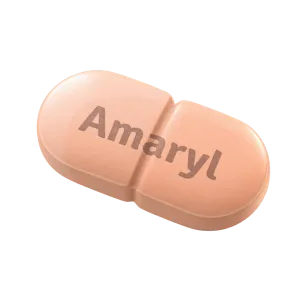
Actos
Amaryl
Empagliflozin
Forxiga Current
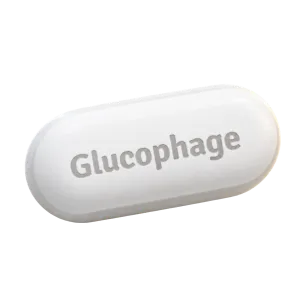
Glucophage
Forxiga: What Customers Say
The routine was simple because I took it with breakfast, although it did not suit me during a week of stomach upset. My clinician told me to pause it while I was unwell and explained the warning signs properly.
After several weeks I developed irritation that turned out to be thrush. Treatment helped, but I had not realised the urinary glucose effect could make this more likely. I would have reported it sooner if I had known.
I felt less swollen after the first month, but the result was not instant. The early kidney blood test worried me until the clinician explained why it was being repeated and reviewed my diuretic dose.
Sources
- National Institute for Health and Care Excellence (2022). Type 2 diabetes in adults: management, NICE guideline NG28
- European Society of Cardiology (2021). 2021 ESC Guidelines for the diagnosis and treatment of acute and chronic heart failure