Skip to content
Save up to 80%
Empagliflozin
Active ingredient: Empagliflozin

Empagliflozin

Quality products
24/7 Support
Fast delivery
Delivery from 4 days
Select pack Package Per tablet Price

Free delivery on orders from £ 200.00, free express delivery from £ 300.00

Secure Payments
Track your order
Best price guarantee

Adults with type 2 diabetes, heart failure, or chronic kidney disease may be prescribed Empagliflozin to improve glucose control and reduce cardiorenal strain. As an oral SGLT2 inhibitor, it helps the kidneys remove excess glucose through urine rather than stimulating insulin release.

About this product

Empagliflozin belongs to the sodium-glucose cotransporter 2, or SGLT2, inhibitor class. The active substance blocks SGLT2 proteins in the proximal renal tubule.

Uses

It is used in type 2 diabetes and may also form part of treatment for heart failure or chronic kidney disease when clinically appropriate.

Pharmacological action

Empagliflozin blocks sodium-glucose cotransporter 2 proteins in the proximal renal tubule. This reduces reabsorption of filtered glucose and sodium, increasing their excretion in urine and lowering blood glucose. The resulting osmotic diuresis can reduce circulating fluid volume and may support heart and kidney outcomes [1].

When not to use it

Empagliflozin is not suitable for every person with high blood glucose. The following situations require avoidance, specialist review, or a clearly documented treatment plan:

  • Type 1 diabetes, because of the risk of diabetic ketoacidosis.
  • Previous ketoacidosis linked to an SGLT2 inhibitor.
  • Severe dehydration or active vomiting and diarrhoea.
  • Severe renal impairment or rapidly worsening kidney function.
  • Acute serious illness or prolonged fasting.
  • A serious allergy to empagliflozin or an excipient in the tablet.
  • Pregnancy or breastfeeding when the expected benefit does not justify potential risk.
  • Planned major surgery without a suitable interruption plan.

Diuretics can intensify fluid loss, dizziness, and low blood pressure. Insulin and sulfonylureas can increase hypoglycaemia risk, so their doses may need review. Lithium levels may be affected by changes in fluid balance, while medicines that lower blood pressure can add to postural dizziness.

When this is not for you

NOT for you if you have type 1 diabetes, active ketoacidosis, or severe dehydration unless a specialist has provided a documented treatment plan.

Tell the prescribing team about diuretics, insulin, sulfonylureas, lithium, regular anti-inflammatory pain medicines, and any planned surgery. A medication review is also needed after a major change in fluid intake, kidney function, or diabetes treatment.

Adverse reactions

Empagliflozin is often tolerated without major problems, though its kidney-mediated action produces predictable effects. Increased urination, thirst, genital fungal infection, and urinary tract symptoms are among the reactions clinicians monitor.

Common or clinically recognised effects include:

  • Genital thrush or other fungal genital infections.
  • Increased urination, including night-time urination.
  • Thirst or symptoms related to fluid loss.
  • Dizziness, especially after standing.
  • Urinary tract infection symptoms.
  • Low blood glucose when combined with insulin or an insulin secretagogue.

Genital itching, burning, soreness, unusual discharge, or discomfort during urination should be reported early. Prompt treatment is simpler than allowing an infection to progress. Gentle washing and careful drying can help reduce moisture, though harsh soaps may irritate sensitive skin.

Urinary symptoms such as fever, flank pain, blood in urine, or feeling acutely unwell require medical review. Rare serious reactions include ketoacidosis, severe dehydration, acute kidney injury, severe allergic reaction, and necrotising infection of the perineum. The FDA prescribing information describes these risks and the warning symptoms that require urgent attention [3].

Low blood glucose is less common with Empagliflozin alone than with insulin or sulfonylureas. It can still occur when several glucose-lowering treatments are combined. Sweating, shaking, palpitations, confusion, and sudden weakness are typical warning symptoms.

One practical nuance concerns fluid intake. Drinking excessively to counter increased urination can also be harmful, especially in heart failure or kidney disease. The right approach is steady hydration within the limits set for the individual patient.

Genital irritation after starting treatment should not be dismissed as a minor nuisance. Early discussion allows targeted treatment and helps distinguish fungal infection from a urinary or skin problem.

What it contains

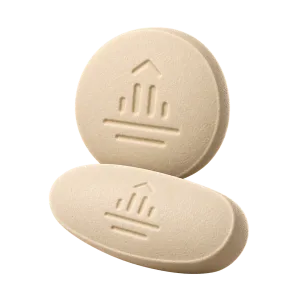
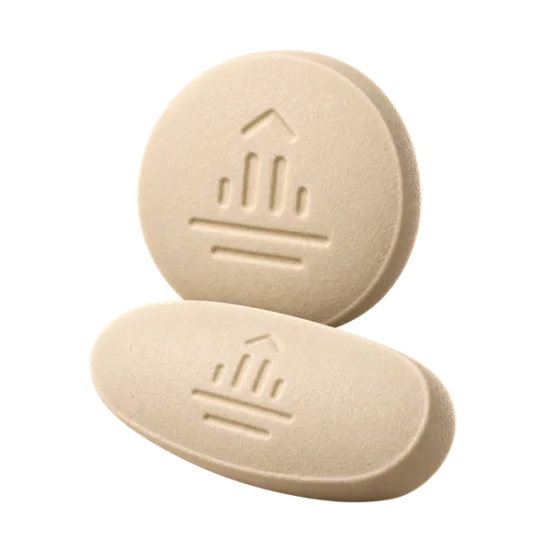
Empagliflozin is the generic pharmaceutical name of the active substance. A prescription may refer to the active ingredient rather than a specific manufacturer. The clinical action comes from empagliflozin itself, while inactive ingredients and tablet appearance can differ between authorised formulations.

Dosage and administration

How much Empagliflozin to use and how often depends on the purpose of use and is agreed with a doctor or pharmacist. The tablet is taken by mouth, usually once daily, with water. It may be taken with food or on an empty stomach.

Practical administration points include:

  • Take it at the agreed time each day.
  • Maintain normal fluid intake unless a clinician has set a fluid restriction.
  • Do not take an extra tablet to compensate for a missed dose.
  • If a dose is remembered later the same day, follow the prescribed missed-dose advice.
  • If the next scheduled dose is close, the missed dose is commonly omitted rather than doubled.
  • Tell the prescriber about vomiting, diarrhoea, fasting, or an operation.

Empagliflozin may need temporary interruption during significant acute illness, prolonged fasting, major surgery, or severe dehydration. This reduces the risk of ketoacidosis, which can occasionally develop even when blood glucose is not extremely high. The MHRA has issued safety advice on recognising and preventing SGLT2 inhibitor-associated ketoacidosis [2].

A practical detail is easy to miss: normal blood glucose does not rule out ketoacidosis. Warning symptoms include nausea, vomiting, abdominal pain, unusual tiredness, deep or rapid breathing, confusion, or a sweet-smelling breath. These symptoms require urgent medical assessment and the treatment plan should be reviewed promptly.

Before surgery or a planned prolonged fast, tell the surgical team that you use an SGLT2 inhibitor. Empagliflozin may need to be stopped temporarily before the procedure according to the clinical plan.

The strength used depends on the individual treatment plan and whether additional glucose-lowering effect is appropriate and kidney function supports its use. A higher strength is not automatically better; the clinical benefit must be balanced against fluid loss, genital infections, blood pressure changes, and kidney-related considerations.

Tablets should be swallowed with water. Do not alter the tablet unless a prescriber or pharmacist has specifically confirmed that the product can be split. Crushing or chewing can make administration less predictable when the tablet design is intended to be swallowed whole.

Comparison

Empagliflozin is an oral SGLT2 inhibitor that lowers glucose by increasing urinary glucose excretion, unlike approaches that primarily work by stimulating insulin release. Its mechanism may also help address fluid and cardiorenal strain in appropriate treatment settings.

Common mistakes

Several avoidable errors can reduce benefit or increase risk:

  • Taking an extra tablet after a missed dose.
  • Ignoring vomiting, diarrhoea, or prolonged fasting.
  • Continuing treatment through major surgery without informing the surgical team.
  • Assuming normal blood glucose excludes ketoacidosis.
  • Drinking excessive amounts of water despite a heart-failure fluid limit.
  • Stopping insulin because Empagliflozin has been started.
  • Treating genital itching repeatedly without assessment.
  • Taking the tablet at night when frequent urination already disrupts sleep.
  • Failing to mention diuretics, lithium, or insulin secretagogues.
  • Restarting treatment after acute illness without confirming that hydration and eating have returned to normal.

A common misconception is that the medicine replaces dietary planning or prescribed insulin. Empagliflozin changes renal glucose handling; it does not supply insulin and does not remove the need for an agreed diabetes plan.

What doctors say

In clinical practice, doctors often view Empagliflozin as a treatment with benefits beyond the glucose reading. The same renal mechanism can influence fluid balance and cardiorenal outcomes, which is why treatment may be considered in selected patients with heart failure or chronic kidney disease.

A clinician would usually assess kidney function, blood pressure, hydration, diabetes control, and concurrent medicines before choosing a dose. The patient’s reason for treatment matters. A plan aimed mainly at glucose lowering may differ from one aimed at heart failure or kidney protection.

Consistency matters because missed doses reduce the expected pharmacological exposure, while taking extra tablets does not recreate the intended effect. Doctors also watch for repeated genital infections, symptomatic low blood pressure, and episodes of illness that increase ketoacidosis risk.

NICE guidance supports the use of SGLT2 inhibitors within structured treatment plans for appropriate adults with type 2 diabetes and related conditions. Treatment selection should follow the indication, renal status, and risk profile rather than relying on glucose readings alone [4].

Questions and answers

Can alcohol be consumed while using Empagliflozin?

Alcohol can increase dehydration and may worsen the metabolic conditions that contribute to ketoacidosis, especially when intake is heavy or accompanied by fasting. NHS clinical guidance and MHRA safety advice available in 2025 support caution during illness, reduced food intake, and situations that increase fluid loss. Occasional alcohol may be compatible with an individual treatment plan, but binge drinking, vomiting, or skipping meals creates a higher-risk combination.

Which diet, exercise, and daily habits support treatment?

Regular meals, moderate carbohydrate intake, physical activity suited to fitness and medical status, and steady hydration can support diabetes management. NICE guidance updated before 2026 places lifestyle measures alongside medicine rather than treating them as separate choices. Very low-calorie diets, prolonged fasting, and sudden intense exercise can increase ketoacidosis or hypoglycaemia risk when other diabetes medicines are present.

What happens after stopping Empagliflozin, and is tapering required?

Empagliflozin does not usually require a gradual taper because it does not create physical dependence. Its glucose-lowering and fluid-related effects diminish after treatment stops, while the underlying diabetes, heart failure, or kidney condition remains. EMA product information published in 2024 advises that treatment changes should reflect the indication and clinical status, especially when the medicine was prescribed for cardiorenal protection.

Can Empagliflozin be taken with food or on an empty stomach?

Empagliflozin tablets can generally be taken with or without food. The MHRA product information, updated in 2024, describes oral administration without requiring a meal-linked dose, so a consistent daily routine is usually practical. Taking it earlier in the day may be preferable for people troubled by night-time urination, while hydration advice must be adapted for heart or kidney disease.

How long does a course last, and is long-term use acceptable?

The duration depends on the condition being treated, kidney function, treatment response, and adverse effects. For chronic type 2 diabetes, heart failure, or kidney disease, treatment may continue long term while the clinical benefits outweigh the risks. WHO guidance published in 2020 on non-communicable disease care supports sustained management of chronic conditions, with periodic review rather than an automatic end date. [5]

Do you offer anonymous delivery?

Your order will be securely packed and shipped within 24 hours. This is exactly what your package will look like (images of an actual item sent). It has the size and look of a regular private letter (24x11x0.7 cm) and its contents cannot be seen.

Comparison

Comparison table: Diabetes

Empagliflozin: What Customers Say

3
Based on 5 reviews
Ian, 35 Manchester First week
Verified
Rating: 3 out of 5

Ian, 35 - Manchester, took the tablet each morning for type 2 diabetes and noticed more urination during the first week. His glucose readings improved, but he needed to plan bathroom stops during longer car journeys.

1 Oct 2026
Stuart, 40 Stoke-on-Trent Several months
Verified
Rating: 3 out of 5

Stuart, 40 - Stoke-on-Trent, used Empagliflozin alongside other diabetes treatment for several months. He liked the simple once-daily routine, though thirst and mild dizziness appeared after a stomach bug and settled after clinical advice.

9 Oct 2026
Simon B., 43 Nottingham Several weeks
Verified
Rating: 3 out of 5

Simon B., 43 - Nottingham, reported better readings after the dose was adjusted. He developed genital itching after several weeks, received treatment, and found that early reporting prevented the problem from becoming severe.

14 Oct 2026
Robert A., 28 Swansea Briefly
Verified
Rating: 2 out of 5

Robert A., 28 - Swansea, stopped taking the once-daily tablet briefly during vomiting without first contacting his diabetes team. He was later advised about sick-day rules and the warning symptoms of ketoacidosis.

22 Oct 2026
Kevin, 33 Middlesbrough Several months
Verified
Rating: 4 out of 5

Kevin, 33 - Middlesbrough, found the once-daily medicine manageable with breakfast and regular fluid intake over several months. He remained uncertain about long-term treatment until his clinician explained that the aim included kidney and cardiovascular risk reduction, not only glucose control.

28 Oct 2026

Sources

  1. European Medicines Agency (2024). Summary of Product Characteristics for empagliflozin
  2. Medicines and Healthcare products Regulatory Agency (2020). SGLT2 inhibitors: updated advice on the risk of diabetic ketoacidosis
  3. U.S. Food and Drug Administration (2023). Empagliflozin prescribing information
  4. National Institute for Health and Care Excellence (2022). Type 2 diabetes in adults: management
  5. World Health Organization (2020). Package of essential noncommunicable disease interventions for primary health care
Get our free app Shop faster and track your orders Install